You Won’t Believe What I Ate in Kazan
Kazan isn’t just Russia’s cultural crossroads—it’s a flavor explosion waiting to happen. I went expecting history and mosques, but what blew my mind was the food. Tatar cuisine? Absolutely next-level. From steaming chak-chak drizzled in honey to tender echpochmak baked in wood-fired ovens, every bite told a story. This city blends Volga soul with Central Asian spice in ways you’ve never tasted. If you're chasing real, unfiltered dining magic off the tourist trail, Kazan’s kitchen is calling.
The Hidden Culinary Identity of Kazan
Kazan occupies a rare place on the map—not only geographically between Europe and Asia, but also gastronomically. Nestled along the Volga River, this ancient city has spent centuries absorbing flavors from Silk Road traders, Ottoman influences, Slavic neighbors, and indigenous Tatar traditions. The result is a culinary identity that’s layered, deeply rooted, and quietly revolutionary. Unlike flashier Russian cities where global chains dominate, Kazan’s food culture remains anchored in home-cooked values, seasonal rhythms, and communal meals that bring generations together around the table.
What sets Kazan apart is its commitment to authenticity. While other cities modernize rapidly, Kazan honors slow food principles without labeling them as such. Local markets overflow with freshly milled grains, hand-churned butter, wild herbs gathered from nearby forests, and meats sourced from family-run farms in rural Tatarstan. These ingredients aren’t marketed as luxury items—they’re simply how people have always eaten. This connection to land and tradition gives the cuisine a groundedness that feels both comforting and profound, especially for travelers seeking meaningful cultural experiences beyond museums and monuments.
The city’s multicultural heritage also plays a vital role in shaping its palate. Tatar dishes often feature bold spices like cumin and coriander, reminiscent of Central Asian kitchens, while baking techniques and dairy use reflect Slavic roots. You’ll find Ottoman-inspired pastries brushed with clarified butter and layered like phyllo, coexisting peacefully with hearty Russian-style stews. Yet, none of it feels forced or performative. In Kazan, fusion isn’t a trend—it’s a centuries-old way of life. This seamless blending of culinary worlds makes every meal feel like a journey through time and terrain.
Why Authentic Tatar Cuisine Stands Out
Tatar cuisine stands out not because it’s exotic, but because it’s honest. Its foundation rests on a few core elements: handmade dumplings, slow-cooked meats, fermented dairy products like ayran and kumys, and desserts rich with honey and nuts. These aren’t just ingredients—they’re expressions of resilience, hospitality, and seasonal awareness. Meals are built around what the land provides, honoring cycles of planting, harvesting, and preserving. This deep respect for nature translates into dishes that feel nourishing not just physically, but emotionally.
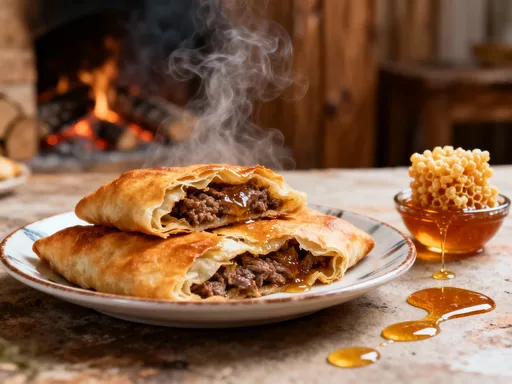
Among the most iconic dishes is öçpoçmaq, a triangular pastry filled with minced beef, onions, and potatoes, then baked until golden. It’s more than a snack—it’s a symbol of celebration, often served during holidays like Sabantuy, the traditional Tatar harvest festival. Similarly, bäliş—a slow-baked casserole of rice, meat, and millet wrapped in dough—is traditionally prepared for large family gatherings, where the act of sharing the dish strengthens bonds. Then there’s gubadia, a labor-intensive sweet pie layered with buttered dough and a filling of ground nuts, raisins, and honey. Baking it can take hours, but the aroma that fills the house is said to welcome ancestors’ spirits, making it a ritual as much as a recipe.
While these dishes originate in rural Tatarstan, their urban counterparts in Kazan have evolved subtly. In the city, chefs may use more refined cuts of meat or add modern touches like herb-infused oils. Yet, even in upscale restaurants, the essence remains unchanged. The soul of Tatar cooking lies in patience—allowing flavors to develop over low heat, letting dough rest properly, respecting the time it takes to make something truly good. For visitors, this is a refreshing contrast to fast-paced dining cultures, offering a chance to slow down and savor each moment.
Street Food Gems: Where Locals Actually Eat
To truly understand Kazan’s food scene, step away from formal restaurants and into the bustling energy of its streets. Start at Tukay Square, the city’s cultural heart, where vendors gather daily under colorful awnings. Here, you’ll find kazylyk, a cured horse sausage with a deep, smoky flavor, often sliced thin and served with dark rye bread. It’s not for everyone, but those who try it frequently describe it as unexpectedly delicate, with a richness that lingers pleasantly on the palate. Nearby, women in embroidered aprons hand-fold qoymaq, thin pancakes similar to crepes, which they fill with sour cream, jam, or minced meat.
One surprising favorite among locals is sushi-pilaf—a quirky name for a dish that’s anything but Japanese. It’s essentially a spiced rice salad mixed with shredded chicken, carrots, and herbs, rolled tightly in parchment paper like a burrito. Named for its rolled presentation, it’s a popular grab-and-go lunch sold at kiosks along Bauman Street, Kazan’s pedestrian-friendly main drag. Affordable, filling, and flavorful, it reflects the city’s playful side—willing to borrow ideas and rename them with local charm. Don’t expect sushi rice or seaweed; instead, embrace it as a symbol of Kazan’s creative spirit.
Navigating these street eats without speaking Russian or Tatar is easier than you might think. Many vendors use picture menus or have samples on display. A simple smile and pointing often suffice. Translation apps work well for basic questions, and most younger vendors understand some English. Look for stalls with long lines—this usually means fresh batches just came out of the oven. Avoid places that look overly touristy or have pre-packaged items sitting out for hours. The best experiences happen when food is made to order, still warm, and served with a nod of recognition that you’re not just passing through—you’re participating.
From Home Kitchens to Trendy Bistros
The evolution of Tatar cuisine can be seen most clearly when comparing home-style mäslihat cafes with modern dining spots. Mäslihat—a Tatar word meaning “council” or “gathering”—refers to small, family-run eateries where grandmothers and aunts cook recipes passed down for generations. These unassuming places often lack websites or even signs, relying instead on word-of-mouth. Inside, the walls might be lined with embroidered towels, and the air thick with the scent of baking dough and caramelized onions. Order the peremech, a deep-fried dumpling stuffed with spiced lamb, and you’ll taste a version unchanged since the 19th century.
In contrast, newer restaurants in Kazan are reimagining tradition with subtle flair. At places like Tatar Bazaar or Nogan, chefs present classic dishes with artistic plating and seasonal twists. Imagine pelmeni dyed pink with beetroot juice, served with dill cream and pickled mushrooms. Or chak-chak made with smoked cheese and dark honey, offering a savory-sweet contrast that surprises and delights. These innovations don’t erase tradition—they celebrate it by showing its versatility. The goal isn’t to replace old ways, but to ensure they remain relevant for younger generations who value both heritage and creativity.
This balance between preservation and progress defines Kazan’s current food moment. Chefs speak with reverence about their grandmothers’ recipes, often crediting them in menu notes. At the same time, they aren’t afraid to experiment, knowing that cuisine, like culture, must breathe and grow. For visitors, this means a dining experience that feels both rooted and dynamic. Whether you choose a humble mäslihat or a sleek downtown bistro, you’re engaging with a living tradition—one that welcomes curiosity and rewards respect.
A Day in the Life: Eating Like a True Kazan Resident
Life in Kazan unfolds to the rhythm of meals. Mornings begin quietly, often with a pot of strong black tea—qäy—poured into small glasses held in ornate metal holders called podstakanniki. This isn’t just caffeine; it’s ritual. Families gather around the table, dipping sweet buns called çäkçäk into their tea, their fingers sticky with honey. Children sip milk tea, while elders discuss the day’s plans. Breakfast is rarely rushed. It’s a time to connect, to ease into the hours ahead with warmth and sweetness.
By midday, the city shifts gears. Workers return home or stop at local canteens for a hot meal. The centerpiece is often plov, a fragrant rice dish cooked with meat, carrots, and onions, seasoned with cumin and saffron. In Kazan, plov has a distinct character—less oily than its Central Asian cousins, with a focus on clean, balanced flavors. It’s typically served with a side of pickled vegetables and a dollop of sour cream. Some families eat it every Friday, turning lunch into a weekly tradition. Others save it for colder months, when its warmth feels especially welcome.
Evenings are reserved for soups—light in summer, hearty in winter. In warmer months, you might find sorpa, a clear broth made with lamb bones and fresh herbs like dill and parsley, sipped slowly from wide bowls. Come winter, the pot fills with shulpa, a thick meat stew loaded with potatoes, cabbage, and sometimes noodles. These soups are never an afterthought; they’re the heart of the meal, often eaten with a piece of crusty bread for dipping. Throughout the year, tea returns at night, sometimes spiced with cloves or lemon, always accompanied by conversation that lingers long after the last sip.
Practical Dining Guide for Visitors
For travelers eager to explore Kazan’s food culture, a few strategic choices can make all the difference. Begin in the Old Tatar Settlement, a historic neighborhood with narrow lanes and wooden houses painted in soft blues and greens. Here, family-run cafes serve authentic dishes in cozy settings. Try the bäliş at a local mäslihat—it’s often baked in clay ovens, giving it a unique smokiness. Nearby, the Central Market offers a sensory overload in the best way: stalls piled high with dried fruits, wheels of yellow cheese, jars of wildflower honey, and baskets of fresh herbs. Go early in the morning to see vendors unpacking crates of just-picked produce.
The Riviera Area, along the Kazanka River, caters to a slightly more modern crowd but still honors local flavors. Restaurants here often have outdoor seating, perfect for summer evenings. Look for places that list daily specials on chalkboards—these usually feature seasonal ingredients. One reliable sign of authenticity is a menu written in both Russian and Tatar. Even if you can’t read the languages, the presence of Tatar script signals cultural pride and a commitment to local identity.
When dining, remember a few etiquette tips. Sharing dishes is common, so don’t be surprised if your meal arrives on large platters meant for the table. Tipping isn’t mandatory but appreciated—leaving 5 to 10 percent at restaurants is customary. In smaller cafes, a simple thank-you in Russian (spasibo) or Tatar (räxmät) goes a long way. And if you’re unsure about what to order, ask for chäneñ bäylege—“what’s special today?” Most servers will respond with genuine enthusiasm, sometimes even bringing a small sample.
Timing matters too. Lunch peaks between 1:00 and 2:30 PM, so arrive earlier or later to avoid crowds. Bakeries often have fresh batches of chak-chak or gubadia in the late morning and mid-afternoon. Street vendors restock around noon and 5 PM, making those ideal windows for hot, made-to-order snacks. With a little planning, you can align your schedule with the city’s culinary rhythm and experience food at its peak.
Beyond the Plate: How Food Connects Culture in Kazan
In Kazan, food is never just about eating. It’s a language of care, a bridge between strangers, a way of saying, “You belong here.” I’ll never forget the afternoon I tried—awkwardly—to fold peremeç dough at a community cooking class. My attempts were lopsided, the filling oozing out the sides. The women around me laughed, not unkindly, and gently corrected my technique. By the end, I’d made one decent dumpling. We ate together, sharing stories through broken English and hand gestures. In that moment, I wasn’t a tourist. I was a guest, welcomed into a circle of warmth and generosity.
These quiet exchanges happen constantly in Kazan. A shopkeeper offers you a taste of honey from his brother’s apiary. A waiter brings an extra glass of tea “just because.” A family at the next table insists you try their öçpoçmaq. These gestures aren’t performances for visitors—they’re expressions of everyday kindness, woven into the fabric of life. They remind us that hospitality isn’t about grandeur; it’s about presence, about taking the time to share what you have.
Kazan’s dining scene is, in many ways, a quiet revolution. It resists homogenization, holding fast to flavors and rituals that could easily be lost in a globalized world. Yet it does so without resistance or anger—only pride and patience. To eat in Kazan is to participate in something deeper than a meal. It’s to witness how culture lives in the hands that knead dough, the voices that sing over tea, the stories passed down one bite at a time. If you’re looking for magic, you’ll find it here—not in grand gestures, but in the simple act of breaking bread with people who remember what it means to feed a soul.