You Won’t Believe These Hidden Corners of Český Krumlov
Český Krumlov isn’t just a fairy-tale town frozen in time—it’s a layered journey waiting to be explored beyond the castle and river views. I wandered its cobblestone lanes slowly, returning twice, and discovered how each neighborhood tells a different story. From quiet courtyards to riverside nooks, the real magic lies in its theme areas—distinct zones that shape the soul of the place. This is not just sightseeing; it’s feeling the heartbeat of a UNESCO gem, one hidden corner at a time.
The Castle Hill Zone: Power and Panorama
Perched above the meandering Vltava River, Český Krumlov Castle dominates the skyline like a sentinel from another era. As one of the largest castle complexes in Central Europe, it spans nearly 11 hectares and comprises over 40 buildings interconnected by courtyards, gardens, and winding staircases. Its origins trace back to the 13th century, with successive architectural layers reflecting Gothic, Renaissance, and Baroque influences. The castle’s commanding position offers panoramic views of the town’s red rooftops and the river’s dramatic horseshoe bend—a sight that has drawn visitors for centuries.
What makes this zone more than just a visual landmark is its role as the historical and cultural anchor of the entire region. Once home to the powerful Rosenberg family and later the Schwarzenbergs, the castle served as both a political fortress and a center of aristocratic life. The Baroque Theater, remarkably preserved and still functional, hosts occasional performances that echo with the grandeur of 18th-century court entertainment. Visitors can explore its ornate auditorium, complete with original stage machinery, offering a rare glimpse into pre-modern European theater design.
For those seeking to experience the castle without the midday crowds, arriving early in the morning or visiting in late afternoon light provides a more intimate encounter. While general admission grants access to the main courtyards and museum exhibits, a combined ticket includes the theater and tower climb—highly recommended for photography enthusiasts. Fewer tourists know about the rear access path from Latrán Street, which ascends gently through shaded stone steps, bypassing the main entrance queue. This quieter approach also frames the castle in a more natural, less crowded context, ideal for contemplative viewing.
The Castle Hill Zone sets the tone for Český Krumlov’s identity: regal, layered, and deeply rooted in preservation. It is not merely a monument but a living narrative of power, artistry, and continuity. By understanding its scale and significance, travelers begin to appreciate how the rest of the town radiates outward from this central core, each area echoing its influence in subtle ways. Whether admired from afar or explored in detail, the castle remains the defining presence in a landscape shaped by centuries of care.
The Old Town Core: Where Time Stands Still
Beneath the shadow of the castle lies the Old Town Core—a labyrinth of narrow, cobbled streets where time seems to pause. This medieval heart of Český Krumlov is a masterclass in urban preservation, with colorful burgher houses dating back to the 14th and 15th centuries lining alleys that twist and turn like threads in a tapestry. Walking through this district feels like stepping into a historical novel, where every doorway, gable, and weathered stone tells a quiet story of daily life across generations.
Central to this area is the Church of St. Vitus, a striking Gothic structure whose spire rises above the rooftops. Built in the early 15th century, it survived wars, fires, and political upheavals, standing today as both a place of worship and a testament to architectural endurance. Inside, visitors encounter delicate frescoes and a serene atmosphere that contrasts with the bustling streets outside. Nearby, the Latrán neighborhood—once a residential quarter for castle servants—now houses museums, guesthouses, and small shops, blending historical authenticity with modern hospitality.
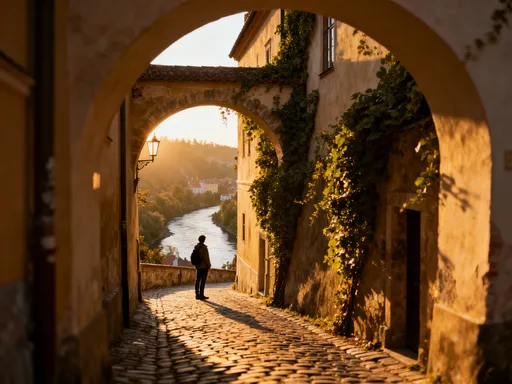
One of the most enchanting aspects of the Old Town Core is its network of hidden courtyards. Tucked behind unassuming archways, these green-oasis spaces offer refuge from the summer heat and tourist foot traffic. Some are open to the public during cultural events or hotel stays, while others remain private but visible through iron gates. These courtyards often feature climbing ivy, wooden benches, and the soft murmur of fountains—elements that enhance the sense of stillness and introspection.
Preservation laws strictly regulate renovations and new construction, ensuring that no modern signage, glass facades, or incongruous materials disrupt the historic fabric. This commitment to authenticity means that even souvenir shops and cafes maintain traditional exteriors, preserving the visual harmony of the district. For visitors, navigating the pedestrian-only streets requires patience and presence. Wandering without a fixed destination often leads to unexpected discoveries: a tucked-away bakery, a hand-painted map in a bookstore window, or a street musician playing classical melodies on a violin.
To truly appreciate the Old Town Core, one must slow down. Early mornings, just after sunrise, reveal the area at its most tranquil—when mist rises from the river, shopkeepers are unlocking their doors, and the first rays of light gild the rooftops. These quiet moments allow for deeper connection, transforming sightseeing into a sensory experience. The Old Town is not merely preserved; it is lived in, breathed, and continuously renewed by those who walk its paths with reverence.
The River Belt: Life Along the Vltava
The Vltava River is the lifeblood of Český Krumlov, winding through the town in a graceful loop that defines its geography and character. More than just a scenic backdrop, the river shapes daily rhythms, recreational habits, and even social interactions among locals and visitors alike. Its presence is felt everywhere—from the sound of flowing water beneath bridges to the cool breeze that drifts through alleyways on warm afternoons.
Along the riverbanks, a variety of activities unfold depending on the season. In spring, the snowmelt from the Bohemian Forest increases the current, attracting kayakers and rafters who navigate the gentle rapids with exhilaration. Local outfitters provide equipment and safety briefings, making water sports accessible even to beginners. By summer, the pace slows. Families spread blankets on grassy banks, children splash in shallow eddies, and couples stroll along the water’s edge as the castle glows in the golden hour light.
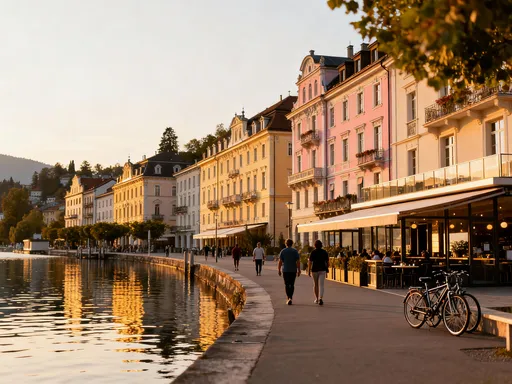
Two main walking paths follow the river—one on the east bank, closer to the Old Town, and another on the west, offering slightly more solitude. The east-side trail passes under arched stone bridges and alongside old mill buildings, some repurposed into cafes or art studios. The west bank, less trafficked, winds through meadows and tree-lined stretches, perfect for a meditative walk or a quiet picnic. Benches are thoughtfully placed at intervals, inviting pause and reflection.
Sunset along the Vltava is a shared ritual. Locals and tourists gather on the bridge near the castle or on the grassy slope below the fortress walls to watch the sky shift from amber to deep violet. The silhouette of the castle against the evening light has become an iconic image, often captured in photographs but best experienced in person. For those seeking a different perspective, evening boat tours—small electric vessels—offer a serene way to view the town from the water, with minimal noise and maximum immersion.
The river also plays a role in seasonal festivals. During the summer Five-Petal Festival, illuminated boats float down the Vltava in a ceremonial procession, accompanied by music and fireworks. Even in autumn and winter, when the water runs quieter and the banks are dusted with frost, the river retains its allure. Fog rising from the surface in the morning creates an ethereal atmosphere, turning the town into something resembling a painted dreamscape. The Vltava is not just a feature of Český Krumlov—it is a constant companion, shaping the way people move, gather, and remember.
The Suburban Fringes: Authentic Local Life
Beyond the postcard-perfect center, Český Krumlov’s suburban fringes reveal a different dimension of the town—one shaped by routine, community, and everyday resilience. These outer neighborhoods, such as Paréz and Krumpach, are where most residents live, away from the tourist throngs and souvenir stalls. Here, life unfolds at a steadier pace, governed by school bells, grocery runs, and weekend visits to local markets.
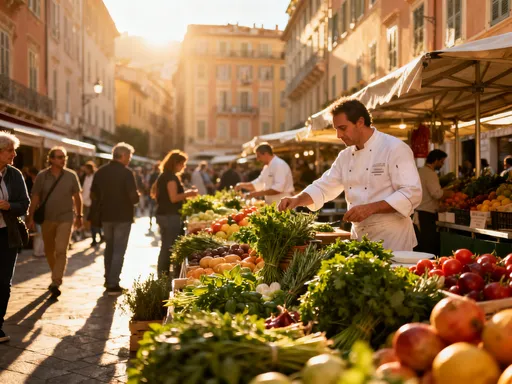
One of the best ways to experience this side of the town is through its neighborhood markets. Held weekly in small squares or near community centers, these gatherings feature fresh produce, homemade jams, baked goods, and hand-knit woolens. Vendors are often farmers or artisans from surrounding villages, creating a direct link between land and table. The language barrier may exist, but a smile and simple gestures go a long way in making connections. Purchasing a loaf of rye bread or a jar of elderflower syrup becomes more than a transaction—it becomes a small act of cultural exchange.
Local bakeries in these areas, often family-run for generations, offer pastries and breads made with traditional recipes. Unlike the tourist-facing cafes in the Old Town, these establishments prioritize function and flavor over presentation. A warm roll with butter, enjoyed on a nearby bench, can be one of the most satisfying moments of a visit. Similarly, neighborhood pubs serve hearty Czech dishes like svíčková or goulash in cozy, unpretentious settings where locals gather after work.
These suburban areas also host seasonal events that reflect community spirit. Spring clean-up days, summer concerts in the park, and Christmas markets organized by schools all contribute to a sense of belonging. Travelers who time their visits to coincide with such events gain rare insight into Czech small-town culture—one that values tradition, cooperation, and quiet celebration. Respecting boundaries is essential; these are not performances for tourists but lived experiences. Observing with humility and participating only when invited ensures that visitors remain welcome guests rather than intruders.
Walking through these quieter streets, one notices how modern life coexists with heritage. Solar panels sit atop historic roofs, children ride bicycles past 18th-century facades, and Wi-Fi signs appear in windows of centuries-old homes. This balance—between preservation and progress—defines the true character of Český Krumlov. The suburban fringes remind us that behind every beautiful façade is a living community, sustaining its identity with quiet pride.
The Garden & Courtyard Network: Secret Green Havens
Hidden behind high stone walls and iron gates, Český Krumlov’s garden and courtyard network offers a quieter, greener counterpoint to its historic streets. These semi-private spaces—some accessible to the public, others reserved for residents or hotel guests—function as urban sanctuaries, where birdsong replaces foot traffic and the scent of roses mingles with damp earth. They are the town’s secret lungs, providing respite and beauty in equal measure.
The most prominent of these is the castle’s Baroque Garden, meticulously restored to reflect its 17th-century design. Laid out in symmetrical patterns, it features clipped hedges, gravel paths, and a central fountain surrounded by sculpted boxwoods. Orange trees in wooden containers line the walkways, a nod to aristocratic fashion of the era. Unlike more formal gardens in larger cities, this one retains a sense of intimacy, as if designed for private contemplation rather than grand display. During guided tours, visitors learn about the horticultural practices of the time, including the use of espaliered fruit trees and seasonal flower rotations.
Scattered throughout the Old Town are smaller courtyards, often accessible only during special events like the Open Monument Days or through accommodations that open their private gardens to guests. One such courtyard, behind a former merchant’s house on Jirska Street, features a well, climbing wisteria, and a stone bench shaded by a century-old linden tree. These spaces are not landscaped for spectacle but maintained with care, reflecting a deep-rooted respect for nature within urban life.
For travelers, discovering these green havens requires curiosity and respect. Peering through gates is acceptable, but entering restricted areas is not. The best approach is to inquire at local guesthouses or cultural centers about garden access opportunities. Some boutique hotels offer courtyard breakfasts or evening wine hours, allowing guests to enjoy these spaces legally and comfortably. Early morning visits, when dew still clings to petals, offer the most magical atmosphere—soft light, cool air, and absolute silence.
These gardens and courtyards do more than beautify the town; they embody a philosophy of balance. In a place so celebrated for its architecture, the presence of nature—tamed yet alive—adds emotional depth. They teach visitors the value of stillness, of finding peace within walls, and of appreciating beauty that is not always meant for public consumption. In a world that often prioritizes visibility, Český Krumlov’s hidden green spaces remind us that some of the most meaningful experiences are the quietest ones.
The Cultural Enclaves: Art, Music, and Tradition
Culture in Český Krumlov is not confined to museums or performance halls—it permeates the air, expressed in street art, seasonal festivals, and spontaneous musical moments. The town has long been a haven for artists, drawn by its beauty and creative energy. This legacy continues today through institutions like the Egon Schiele Art Centrum, which honors the Austrian painter’s brief but intense stay in the town in 1911. The center hosts rotating exhibitions that bridge historical and contemporary art, often exploring themes of identity, landscape, and expression.
Beyond formal venues, art reveals itself in unexpected places. Murals adorn side walls, ceramic installations nestle in garden corners, and pop-up galleries appear in vacant storefronts during summer months. The Five-Petal Festival, held annually in July, transforms the town into a stage for theater, music, and dance. Performances take place in courtyards, on riverbanks, and even inside the castle, creating a dynamic interplay between art and environment. The festival’s name references the town’s historic coat of arms, linking modern creativity to centuries-old symbolism.
Music is equally woven into daily life. In summer, string quartets play in the main square during evening hours, their melodies drifting through open windows. Smaller concerts occur in churches or historic halls, offering intimate settings for classical and folk performances. Street musicians—often students from local conservatories—add to the ambiance with violin, accordion, or flute. These impromptu sessions create a soundtrack that feels organic, never forced.
For visitors, aligning travel dates with cultural programming can deepen engagement. Checking the town’s official events calendar before arrival helps identify exhibition openings, concert series, or workshop opportunities. Participating in a pottery class, attending a lecture at the art center, or simply lingering for a free outdoor performance allows for more meaningful connection. These experiences go beyond observation; they invite participation in a living cultural tradition. Český Krumlov does not treat art as a relic—it breathes it, shares it, and invites others to listen closely.
Putting It All Together: Designing Your Own Journey
Understanding Český Krumlov as a collection of interconnected theme areas transforms a simple visit into a layered, personal journey. Rather than rushing from landmark to landmark, travelers who take the time to explore each zone with intention discover a richer, more resonant experience. A well-designed itinerary respects both the must-see highlights and the quiet corners that reveal the town’s soul.
A recommended two-day plan begins on Day One with the Castle Hill Zone in the morning, when light is ideal for photography and crowds are thinner. After a guided tour, descend into the Old Town Core for lunch at a family-run restaurant, followed by a slow walk through hidden alleys and courtyards. End the day with a riverside walk along the Vltava, culminating in sunset viewing from the bridge or a nearby hill.
Day Two shifts focus outward. Begin with a visit to a suburban market or bakery, engaging with local life. Spend midday exploring the Baroque Garden or attending an exhibition at the Egon Schiele Art Centrum. In the afternoon, rent a kayak or take a quiet stroll along the less-traveled river path. If timing aligns, attend a cultural event or street performance in the evening.
The key to a fulfilling visit is not speed but presence. Revisiting the same street at different times of day reveals new details—the way light hits a fresco, the sound of church bells at noon, the scent of baking bread in the morning. Embracing unplanned detours—following a cat down an alley, pausing for coffee in an unknown courtyard—often leads to the most memorable moments. Český Krumlov resists checklist tourism; it rewards those who linger, observe, and return with fresh eyes.
This approach fosters not just memory-making but understanding. Each theme area contributes to a holistic portrait of the town—one that balances history, nature, culture, and community. By moving beyond the castle walls and popular lanes, travelers gain more than photographs; they gain insight into how a place sustains its identity across time. The layers here do not reveal themselves all at once. They unfold gradually, like the turning of pages in a well-loved book, each one deepening the story.