Lost in the Wild Beauty of Da Nang’s Hidden Protected Zones
Nestled along Vietnam’s central coast, Da Nang is more than just a beach city — it’s a gateway to breathtaking protected landscapes often overlooked by travelers. I recently ventured beyond the urban buzz and discovered lush forests, pristine dunes, and coastal sanctuaries teeming with life. These conservation areas aren’t just scenic; they’re vital to the region’s soul. From misty highland forests to secluded dunes where the sea meets the sand, Da Nang offers quiet escapes that reconnect you with nature. What makes them so special? Let’s explore the wild side of Da Nang few get to see.
Discovering Da Nang’s Natural Secrets
When most travelers think of Da Nang, images of golden beaches, modern bridges, and bustling city life come to mind. Yet just a short journey from the downtown skyline lies a different world — one of quiet trails, whispering trees, and untouched ecosystems preserved within protected zones. These areas, though close to urban development, remain surprisingly wild. They serve not only as refuges for rare species but also as sanctuaries for those seeking peace and natural beauty. For families, couples, and solo adventurers alike, these green havens offer a chance to slow down, breathe deeply, and witness nature in its purest form.
The contrast between Da Nang’s modern identity and its natural treasures is striking. Skyscrapers give way to forest canopies, traffic hum fades into bird calls, and concrete paths turn into winding dirt trails. This duality is part of what makes the city so unique — it doesn’t sacrifice progress for preservation, but instead holds both in careful balance. The government and local communities have worked together to designate several key areas as protected, recognizing that long-term well-being depends on healthy ecosystems. These zones are not just parks for recreation; they are living laboratories of biodiversity and climate resilience.
Entering one of these protected spaces for the first time feels like stepping into another dimension. The air cools, scented with damp earth and greenery. Sunlight filters through the trees in soft patterns, and every step seems to quiet the mind. For many visitors, especially women managing busy households, this kind of experience is more than a vacation — it’s a reset. There’s a deep emotional resonance in being surrounded by nature, a sense of being part of something larger. And in Da Nang’s hidden zones, that feeling is not just possible — it’s waiting just beyond the city’s edge.
Bà Nà Hills: Where Clouds Meet Forests
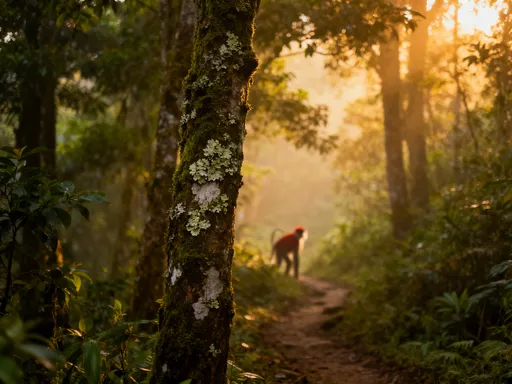
Rising over 1,400 meters above sea level, the Bà Nà Hills Nature Reserve is a highland paradise wrapped in mist and greenery. Just a short drive from Da Nang, this protected area offers a dramatic shift in climate and scenery. While the city swelters in tropical heat, Bà Nà enjoys cool breezes and temperatures that rarely exceed 20°C. The forests here are dense with evergreen trees, ferns, and moss-covered rocks, creating a landscape that feels almost otherworldly. Morning fog curls around tree trunks like smoke, and sunlight breaks through in golden beams, illuminating spiderwebs and dewdrops with quiet magic.
The reserve is home to an extraordinary range of biodiversity, including several species found nowhere else on Earth. One of the most iconic is the red-shanked douc langur, a primate with striking black-and-white fur and bright red legs. This endangered monkey is a symbol of Vietnam’s unique wildlife and a key reason for the area’s conservation status. Birdwatchers may spot the Vietnamese pheasant or hear the call of the silver oriole, while hikers often notice rare orchids clinging to tree bark. Every layer of the forest — from the canopy to the forest floor — pulses with life, making Bà Nà a true ecological treasure.
Conservation efforts here are ongoing and carefully managed. Local rangers patrol the trails, monitor wildlife populations, and educate visitors about responsible behavior. Tourists are encouraged to stay on marked paths, avoid feeding animals, and refrain from loud noises that could disturb nesting birds or sleeping primates. Plastic waste is strictly controlled, and many tour operators provide reusable water bottles and eco-friendly guides. These small actions add up, helping to protect the delicate balance of this highland ecosystem.
For travelers, the experience of Bà Nà is both refreshing and grounding. Whether walking a quiet trail through the forest or pausing at a viewpoint to watch clouds drift over the mountains, there’s a sense of calm that few places can offer. The journey itself — whether by cable car or on foot — becomes part of the healing process. For women who spend their days caring for others, this kind of space is invaluable. It’s not just about seeing nature; it’s about feeling restored by it.
Son Tra Peninsula: The Last Sanctuary
Stretching into the South China Sea, the Son Tra Peninsula is one of Da Nang’s most precious natural assets. This forested peninsula, covered in tropical evergreens and coastal scrub, serves as a vital buffer between the city and the ocean. It is also one of the last strongholds of the endangered Silver-backed Langur, a rare primate with a distinctive pale coat and gentle eyes. With fewer than 200 individuals remaining in the wild, every tree and trail on Son Tra plays a role in their survival. The peninsula is officially protected, and access to sensitive areas is restricted to minimize human impact.
Beyond its role as a wildlife refuge, Son Tra offers some of the most stunning vistas in central Vietnam. Hiking trails wind through the forest, leading to secluded viewpoints where the sea stretches endlessly in shades of blue and green. At the summit, the ancient Linh Ung Pagoda stands quietly, its white statue of the Lady Buddha overlooking the water. The journey to these spots is as meaningful as the destination — each step through the dappled shade, each breath of salty forest air, deepens the connection to the land.
Visitors are urged to follow low-impact practices when exploring Son Tra. Staying on designated paths prevents soil erosion and protects plant roots. Avoiding loud noises ensures that birds and animals can thrive without stress. Picking plants, feeding wildlife, or leaving trash behind is strictly discouraged. Even seemingly small actions — like straying off the trail to take a photo — can have lasting consequences in such a fragile environment. Responsible tourism here isn’t just a suggestion; it’s a necessity for the survival of the ecosystem.
For families, Son Tra offers a chance to teach children about conservation in a real, tangible way. Seeing a langur in the distance or spotting a rare butterfly can spark a lifelong respect for nature. For women managing households, the peninsula provides a rare opportunity to step away from daily routines and reconnect with something timeless. The peace found here isn’t passive — it’s active, alive, and deeply rooted in the health of the land.
Ngũ Hành Sơn’s Marble Mountains and Hidden Grottoes
Just south of Da Nang, the Ngũ Hành Sơn (Marble Mountains) rise abruptly from the coastal plain like ancient sentinels. Composed of limestone and marble, these five peaks — named after the elements: metal, wood, water, fire, and earth — have been sacred sites for centuries. Caves, pagodas, and stone stairways wind through the hills, creating a landscape where culture and nature intertwine. While many tourists visit for the temples and panoramic views, fewer realize that parts of Ngũ Hành Sơn are protected due to their fragile ecosystems and rare plant species.
The shaded pathways between the mountains are alive with birdlife and native flora. Orchids bloom in rocky crevices, ferns unfurl in the damp shade, and geckos dart across sun-warmed stone. The sound of chanting from hidden pagodas blends with the rustle of leaves and distant waves. It’s a place of quiet contemplation, where the boundaries between spiritual and natural beauty blur. For those who take the time to explore beyond the main attractions, Ngũ Hành Sơn reveals its quieter, wilder side.
Conservation here focuses on balancing tourism with ecological protection. Certain caves and trails are closed during breeding seasons to protect nesting birds. Littering is strictly prohibited, and local guides emphasize the importance of respecting both cultural and natural heritage. Visitors are encouraged to walk mindfully, speak softly, and leave offerings only in designated areas. These practices help preserve the sanctity of the site for future generations.
For women seeking moments of reflection, Ngũ Hành Sơn offers a rare blend of serenity and symbolism. Climbing the stone steps can feel like a personal journey — each turn revealing a new view, each cave holding a quiet message. The mountains are not just a destination; they are a reminder of balance, resilience, and the enduring power of nature when honored and protected.
The Coastal Dunes of Non Nuoc and Their Fragile Ecosystem
Along the eastern edge of the Son Tra Peninsula, the dunes of Non Nuoc Beach form a striking and often overlooked natural landscape. These rolling hills of golden sand stretch between the sea and the foothills, shaped by wind and tide into ever-changing patterns. What many visitors don’t realize is that this is not just a scenic backdrop — it’s a protected coastal ecosystem critical to the region’s health. The dunes act as natural barriers against storm surges and erosion, protecting inland areas from the full force of the ocean.
Beneath the surface, the dunes support a network of rare plants adapted to harsh conditions — deep-rooted grasses, salt-tolerant shrubs, and flowering vines that stabilize the sand. These plants are essential for preventing desertification and maintaining biodiversity. Small lizards, insects, and ground-nesting birds rely on this habitat for survival. Even the tiniest organisms play a role in keeping the ecosystem in balance.
Yet this delicate system is vulnerable. Footprints can damage plant roots, and off-road vehicles can destroy entire sections of dune in minutes. Litter, especially plastic, can entangle wildlife or leach toxins into the soil. Because of these threats, the area is officially protected, and visitors are asked to stay on designated paths, avoid climbing the dunes unnecessarily, and carry out all waste. Educational signs explain the importance of these rules, helping tourists understand that beauty here is not just to be admired — it’s to be protected.
For families, the dunes offer a chance to learn about coastal ecology in a hands-on way. Children can observe how plants grow in sand, how wind shapes the landscape, and why even small actions matter. For women who value sustainability and care for the environment, visiting Non Nuoc with awareness becomes an act of stewardship. The view of turquoise water meeting golden dunes is unforgettable — but so is the knowledge that it can only remain this way if we treat it with care.
How to Visit Responsibly: A Traveler’s Guide
Exploring Da Nang’s protected zones is a privilege, not a right. To ensure these areas remain healthy and accessible for future generations, every visitor must commit to responsible tourism. The first step is timing: visiting during the dry season, from February to May, reduces the risk of trail erosion and ensures safer conditions. Early mornings are ideal, offering cooler temperatures, fewer crowds, and the best chances to see wildlife.
Understanding local regulations is equally important. Many areas require permits or guided access, especially in sensitive zones like Son Tra’s core forest. These rules are not barriers — they are safeguards. Choosing eco-certified tour operators ensures that your visit supports conservation rather than harms it. Look for guides who are trained in environmental education and who emphasize quiet, mindful exploration.
Personal behavior makes a difference. The Leave No Trace principles apply here: pack out all trash, avoid single-use plastics, and never remove plants, rocks, or artifacts. Use biodegradable sunscreen to protect coral and marine life when near the coast. Stay on marked trails to prevent trampling vegetation and disturbing animal habitats. Keep noise to a minimum — this simple act can reduce stress on wildlife and enhance your own experience of peace.
Supporting community-led conservation is another powerful way to contribute. Some local groups offer volunteer opportunities, such as beach cleanups or tree planting. Others sell handmade crafts or guide tours, with proceeds going directly to protection efforts. By choosing to engage with these initiatives, travelers do more than visit — they become partners in preservation. For women who value care, connection, and long-term impact, this kind of travel is deeply fulfilling.
Why Protection Matters — For Nature and Us
The protected zones around Da Nang are not just beautiful — they are essential. They filter the air we breathe, regulate local climates, and protect coastlines from rising seas. They provide habitat for endangered species and serve as living records of ecological history. But their value extends beyond biology. These spaces offer mental and emotional benefits that are increasingly vital in our fast-paced world. Studies show that time in nature reduces stress, improves mood, and enhances cognitive function. For women who carry the emotional labor of family life, these benefits are not luxuries — they are necessities.
Conservation is not separate from human well-being; it is intertwined with it. When we protect forests, dunes, and coastlines, we also protect our health, our children’s future, and our sense of belonging. The quiet of a forest trail, the vastness of a dune at sunset, the call of a bird in the morning — these are not just moments of beauty. They are reminders of balance, resilience, and the quiet strength found in nature.
Da Nang invites us to see it not just as a destination, but as a living landscape — one that gives freely but asks for respect in return. By visiting with care, learning with humility, and acting with responsibility, we honor that gift. The wild beauty of Da Nang’s hidden zones is not meant to be conquered or consumed. It is meant to be experienced, protected, and passed on. And in that act of stewardship, we find not only peace for the planet, but peace within ourselves.