You Gotta See How Lake Balaton’s Cityscape Steals the Show
When I first arrived at Lake Balaton, I expected sparkling water and vineyard views—but the cityscape? Mind-blown. I never thought urban charm could blend so smoothly with lakeside calm. From colorful promenades to modern cafes tucked between historic streets, the lakeside towns offer a refreshing mix of old and new. This isn’t just Hungary’s summer playground—it’s a place where architecture, culture, and daily life create a vibrant scene worth exploring. Let me take you through what makes it real, practical, and absolutely unforgettable.
First Impressions: Where Water Meets Urban Life
Arriving at Lake Balaton is an experience that shifts your expectations from the very first moment. Whether you pull into one of the regional train stations, drive along the winding roads from Budapest, or board a regional bus for the two-hour journey, the transition from city to lakeside feels both gradual and dramatic. As the landscape softens into rolling hills dotted with vineyards and the first glimpses of blue water appear, you begin to notice something unexpected: towns that don’t just sit beside the lake—they embrace it. Unlike many lakes that are ringed by secluded forests or private estates, Lake Balaton’s shoreline is alive with urban energy, where streets lead directly to the water’s edge and balconies overlook the gentle lapping of waves.
The lake stretches over 77 kilometers, making it the largest in Central Europe, and its layout creates a natural divide between the northern and southern shores. The northern side, backed by the volcanic hills of the Balaton Uplands, tends to be quieter, greener, and more residential, with towns like Tihany and Révfülpös offering serene retreats and panoramic views. In contrast, the southern shore is where urban development thrives, particularly around hubs like Siófok and Balatonfüred. These towns have evolved over decades into year-round communities where tourism and daily life coexist. The surprise for many first-time visitors is not just the size of these towns, but how seamlessly they integrate with the natural beauty of the lake.
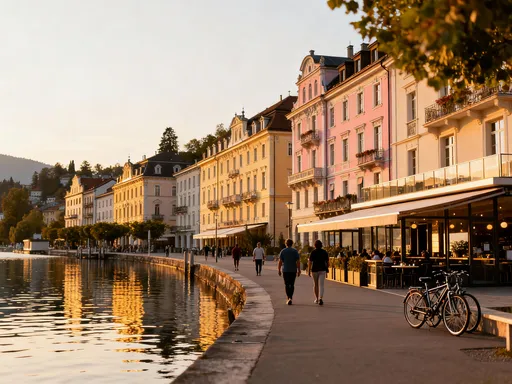
What truly stands out is the way these towns maintain a human scale despite their popularity. Wide promenades invite strolling, not rushing. Buildings rarely rise above four stories, preserving sightlines to the water. Public spaces are designed for lingering—benches face the lake, children play near fountains, and outdoor cafes spill onto cobblestone sidewalks. This balance of accessibility and charm is rare in popular destinations, where development often sacrifices character for convenience. At Lake Balaton, the cityscape doesn’t overpower the scenery—it enhances it, turning each town into a living postcard where real people live, work, and gather by the water.
Balatonfüred: The Classic Lakeside Town with Character
Balatonfüred often feels like stepping into a well-preserved chapter of Hungarian history, where elegance and ease go hand in hand. Known for its healing air and mineral-rich waters, the town has long been a destination for wellness, dating back to the 19th century when aristocrats and artists alike sought its therapeutic climate. Today, that legacy lives on in the grand villas that line the Tree-lined Promenade, locally known as the Coral. This nearly two-kilometer stretch is more than just a scenic walk—it’s a journey through time, where neoclassical facades, pastel-colored balconies, and wrought-iron details tell the story of a town built for relaxation and refinement.
The spa culture here is not a relic but a living tradition. Modern visitors still visit the Fürdőház (bathhouse) to soak in thermal waters, while locals frequent the open-air inhalation towers where mist rises from the mineral springs. This blend of health-focused infrastructure and everyday life gives Balatonfüred a unique rhythm. Mornings are quiet, with elderly residents taking prescribed walks along the shore, while afternoons bring families and tourists enjoying gelato from small shops like Citrus or browsing the harbor market for fresh lake fish and handmade crafts. The ferry dock buzzes with activity, connecting the town to Tihany across the water, yet the pace remains unhurried.
What makes Balatonfüred special is its ability to feel both polished and authentic. Unlike resort towns that cater exclusively to visitors, this is a place where generations of families return each summer, renting the same apartments and gathering at the same spots. Children learn to swim in the shallow public beaches, teenagers meet up at the open-air cinema in summer, and grandparents sip tea at sidewalk tables under chestnut trees. The town’s architecture and urban layout support this continuity—wide sidewalks accommodate strollers and wheelchairs, public restrooms are clean and accessible, and shaded parks provide relief from the sun. It’s a model of thoughtful design that serves both residents and guests, proving that a town can honor its past while remaining vibrant in the present.
Siófok: Energy, Lights, and Real Talk About the Vibe
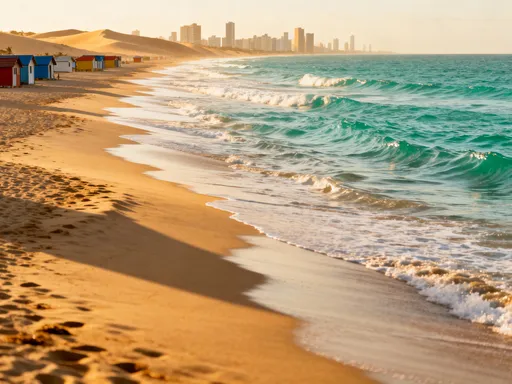
If Balatonfüred is the refined elder sister, Siófok is the lively younger sibling who never sleeps. As the largest town on the southern shore, Siófok draws crowds with its long sandy beach, buzzing nightlife, and reputation as Hungary’s premier summer party destination. The main promenade, Sétány, stretches for over two kilometers and comes alive at night with music, lights, and throngs of young visitors. It’s easy to see why some travelers approach Siófok with caution—photos of packed bars and crowded streets can suggest chaos. But beneath the surface, there’s another side to the town, one that reveals a surprisingly functional cityscape designed to manage its popularity while offering moments of calm.
During the day, Siófok transforms. The same streets that pulse with energy after dark become walkable, family-friendly spaces where parents push strollers, cyclists glide by, and older couples sit on benches enjoying the breeze. The beachfront is well-organized, with clearly marked swimming zones, lifeguard stations, and accessible ramps for those with mobility needs. Public restrooms, showers, and rental kiosks are plentiful, and the city has invested in wide, paved pathways that connect key areas without forcing pedestrians into traffic. For those who want to avoid the evening crowds, early mornings are ideal—watch the sunrise over the water, grab a coffee from a quiet café near the marina, and walk the nearly empty promenade before the day unfolds.
Getting around Siófok does require some planning, especially in peak season. Parking can be a challenge, with most lots filling up by mid-morning. The city has responded by expanding pedestrian zones and promoting bike rentals as a smart alternative. Numerous shops along the main strip offer hourly or daily rentals, including models with baskets and child seats. Cycling allows you to escape the busiest areas and explore quieter neighborhoods just a few blocks from the shore, where single-family homes with gardens and small parks offer a glimpse into local life. Public buses connect Siófok to nearby towns, and the train station provides reliable service to Budapest and other parts of the region. The key to enjoying Siófok is perspective—go in knowing it’s busy, but also knowing that with a little timing and strategy, you can experience its energy on your own terms.
Hidden Urban Gems: Smaller Towns with Big Personality
Beyond the well-known hubs, Lake Balaton is dotted with smaller towns that offer a deeper, more intimate experience of lakeside urban life. These communities may not have the scale of Siófok or the historical fame of Balatonfüred, but they shine in their thoughtful design, strong local identity, and seamless integration with the natural environment. One such gem is Hévíz, located just north of the lake and centered around Europe’s largest thermal lake. While not directly on Lake Balaton, Hévíz is part of the broader region’s appeal and showcases how urban planning can revolve around wellness. The town’s layout radiates outward from the thermal lake, with tree-lined avenues, elegant spa hotels, and quiet residential streets that maintain a peaceful atmosphere despite the steady flow of visitors.
Another standout is Keszthely, a historic town on the western tip of the lake that balances cultural richness with everyday livability. Home to the magnificent Festetics Palace, Keszthely feels like a small European capital with its wide boulevards, neoclassical buildings, and well-maintained parks. The palace gardens open directly to the lakeshore, creating a public space where families picnic, children play, and swans glide across the water. The town’s urban fabric includes a mix of uses—bookstores, bakeries, and craft shops sit alongside municipal offices and schools—ensuring that it never feels like a museum piece. Local events, from open-air concerts to farmers’ markets, take place in the central square, reinforcing a sense of community.
What unites these smaller towns is their ability to accommodate tourism without sacrificing authenticity. Unlike destinations that become seasonal ghost towns, places like Keszthely and Hévíz function year-round, supported by residents who take pride in their surroundings. Public spaces are maintained to high standards, and urban improvements—such as upgraded lighting, accessible walkways, and green infrastructure—are implemented with both visitors and locals in mind. The result is a network of towns where you can feel the pulse of daily life, whether it’s a grandmother watering flowers in her window box or a group of friends meeting for coffee before work. These hidden gems remind us that the true charm of Lake Balaton lies not just in its famous spots, but in the quieter corners where design and community come together.
Architecture That Tells a Story: From Austro-Hungarian Elegance to Modern Touches
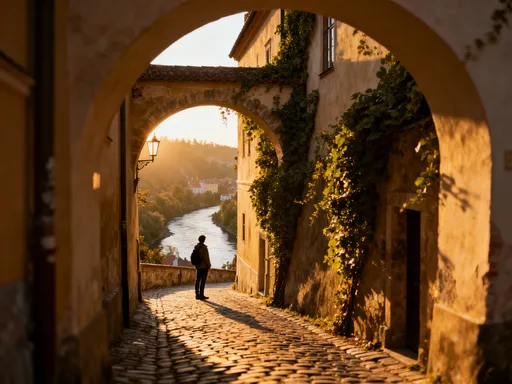
One of the most compelling aspects of Lake Balaton’s towns is their architectural diversity, which reflects the region’s layered history. Walking through any of these communities, you’ll notice a rich tapestry of styles—each building a quiet witness to the eras that shaped it. In Balatonfüred and Keszthely, the influence of the Austro-Hungarian Empire is unmistakable in the grand villas with symmetrical facades, ornate cornices, and columned porches. These structures were built for leisure and status, serving as summer residences for nobility and professionals. Their preservation today speaks to a cultural respect for heritage, with many converted into guesthouses, museums, or cultural centers.
Moving into the mid-20th century, another layer emerges: the functionalist and socialist-era buildings that reflect a different set of priorities. These structures, often found in Siófok and other developed areas, were designed for efficiency and mass accommodation. While some lack the charm of older architecture, others have been thoughtfully integrated into the urban landscape. In recent years, many have undergone renovation, with updated facades, improved insulation, and adaptive reuse that respects their historical context. This approach avoids the trap of either erasing the past or freezing it in time—instead, it allows the towns to evolve without losing their identity.
Today, new construction at Lake Balaton often strikes a careful balance between modernity and tradition. Contemporary buildings use clean lines, glass, and sustainable materials, but they are typically scaled to match their surroundings, avoiding the glass towers that can disrupt a lakeside view. In some areas, urban renewal projects have transformed neglected spaces into vibrant public areas—abandoned warehouses become art galleries, old docks are repurposed as event spaces, and vacant lots turn into pocket parks. These efforts show a commitment to thoughtful development, where progress doesn’t mean replacing the old, but reimagining it. The result is a cityscape that feels lived-in and authentic, where every architectural style has a place and a story.
Getting Around: Practical Mobility for Seeing the Cityscape Your Way
Exploring Lake Balaton’s diverse towns is as much about the journey as the destination, and the region offers a range of mobility options that cater to different preferences and needs. The most reliable way to connect the major towns is by regional train and bus services, operated by MÁV and Volánbusz. Trains run frequently between key stops like Siófok, Balatonfüred, and Keszthely, with schedules that make day trips entirely feasible. Tickets can be purchased online or at station kiosks, and mobile apps like MÁV Start provide real-time updates, route planning, and digital ticketing—making navigation straightforward even for first-time visitors.
For a more immersive experience, cycling along the lakeside path is an excellent choice. The Balaton Ring route, when fully connected, will span over 200 kilometers around the entire lake, but already, long stretches are paved, well-marked, and separated from vehicle traffic. Rentals are widely available in all major towns, with options ranging from basic city bikes to electric models that make climbing the gentle hills along the northern shore much easier. Cyclists can enjoy uninterrupted views, stop at quiet beaches, and discover small villages that are off the main tourist trail. The path passes through urban areas as well, allowing you to experience how towns interface with the lake—whether it’s a boardwalk in Hévíz or a green promenade in Balatonalmádi.
Within towns, walking remains one of the most rewarding ways to absorb the cityscape. Most centers are compact and pedestrian-friendly, with clear signage and minimal car traffic in core areas. However, summer heat and occasional hills—especially on the northern side—can make long walks tiring. In such cases, combining walking with short bus or ferry rides can help conserve energy while maximizing exploration. Ferries operate between several points, including Balatonfüred and Tihany, offering scenic crossings that double as sightseeing opportunities. The key is flexibility: choose the mode that suits your pace, the weather, and your curiosity. Whether by train, bike, or foot, getting around Lake Balaton is designed to be accessible, enjoyable, and part of the experience itself.
Why This Cityscape Matters: Blending Beauty, Function, and Real Life
The cityscape of Lake Balaton is more than a backdrop for vacation photos—it’s a living example of how urban design can enhance both tourism and daily life. Unlike destinations that prioritize aesthetics over function, or those that become overwhelmed by visitors, the towns around the lake demonstrate a rare balance. They are beautiful, yes, but also practical. Streets are clean and well-lit. Public facilities are accessible. Green spaces are abundant. And most importantly, these towns feel inhabited, not staged. You see this in the way locals greet each other by name, how children play in parks after school, and how shopkeepers know their regular customers. This authenticity is what makes the experience memorable.
What sets Lake Balaton apart is its ability to welcome large numbers of visitors without losing its soul. Tourism is clearly important to the local economy, but it hasn’t led to the kind of overdevelopment that erases local character. Instead, urban planning has focused on integration—new infrastructure supports both residents and guests, historic buildings are preserved with care, and public spaces are designed for shared use. This thoughtful approach creates a sense of harmony, where visitors don’t feel like outsiders, but temporary participants in a vibrant community.
For women in their 30s to 50s, many of whom travel with family or friends seeking both relaxation and meaningful experiences, Lake Balaton offers something special: a destination that feels safe, welcoming, and genuinely enriching. You can stroll a promenade at dawn, sip coffee in a sunlit square, explore a palace garden, or bike through vineyards—all while knowing that the place you’re in is not just a showpiece, but a real home to real people. The cityscape doesn’t steal the show by overpowering nature; it enhances it, creating a tapestry where water, architecture, and human life come together in quiet harmony. That’s not just unforgettable—it’s deeply inspiring.