You Gotta Taste This: Food & Viewpoints That Define the Garden Route
Driving South Africa’s Garden Route, I didn’t expect food to steal the show—but it did. Between misty forests and turquoise bays, every viewpoint came with a flavor: smoky braai at a cliffside stop, fresh oysters with ocean views, rooibos tea sipped under ancient trees. This isn’t just a scenic drive—it’s a sensory journey where taste and vista blend perfectly. What makes a meal unforgettable? Often, it’s not just the dish, but where you’re sitting when you eat it. The Garden Route offers a rare harmony of natural beauty and culinary richness, inviting travelers to slow down and savor both landscape and plate. From forest feasts to seaside picnics, this coastal stretch transforms eating into an experience rooted in place, people, and tradition.
The Garden Route: More Than Just a Scenic Drive
Stretching approximately 300 kilometers along South Africa’s southeastern coast, the Garden Route extends from Mossel Bay in the west to Storms River in the east. This ribbon of road winds through a region of extraordinary biodiversity, where the Outeniqua and Tsitsikamma mountain ranges meet the Indian Ocean. Lush indigenous forests, serene lagoons, and golden beaches define the landscape, creating one of the most visually captivating drives on the continent. Yet, the true essence of the Garden Route lies not only in its scenery but in its ability to engage all the senses—especially taste.
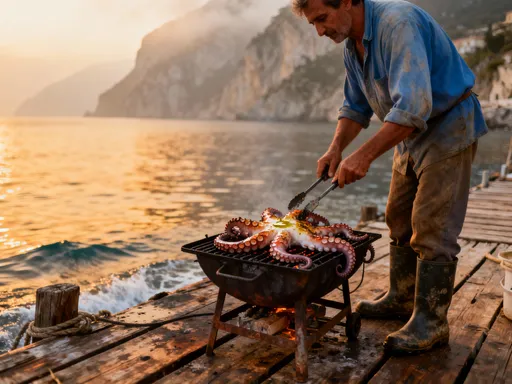
What sets this journey apart is the seamless integration of food and environment. Unlike many tourist routes that prioritize sightseeing over sustenance, the Garden Route treats dining as an extension of exploration. Meals are not interruptions but integral moments in the travel narrative. Whether it’s a warm *potbrood* (Dutch oven bread) shared at a forest rest stop or a platter of grilled line fish enjoyed on a wooden deck overlooking the sea, each meal is shaped by its surroundings. The air carries the scent of salt and fynbos, the light shifts with the time of day, and the rhythm of the ocean hums beneath every bite.
At the heart of this experience is the concept of “viewpoint dining”—the intentional pairing of food with scenic vantage points. A meal consumed with a view does more than satisfy hunger; it deepens connection to place. Research in environmental psychology suggests that natural settings enhance sensory perception, including taste. When surrounded by beauty, people tend to eat more mindfully, savoring flavors and textures with greater awareness. On the Garden Route, this phenomenon is evident in every roadside café, harbor-side restaurant, and family-run farm stall that invites guests to eat with their eyes as much as their palates.
Culturally, the region reflects a rich tapestry of influences. The Khoisan people, indigenous to the area, contributed knowledge of wild edibles and herbal remedies. Cape Malay traditions, brought by Southeast Asian descendants during the colonial era, introduced spices, slow-cooked stews, and sweet pastries. Afrikaans-speaking communities added hearty farm-style cooking, from braaied meats to preserved fruits. Today, these culinary threads are woven into a distinct regional identity—one that honors heritage while embracing freshness and seasonality. The result is a cuisine that feels both timeless and immediate, rooted in history yet alive with innovation.
Knysna Lagoon: Where Oysters Meet the Ocean View
Among the most iconic stops along the Garden Route, Knysna Lagoon stands out for its natural elegance and gastronomic reputation. Nestled between forested hills and guarded by two imposing sandstone heads, the lagoon offers calm, turquoise waters that contrast dramatically with the wild ocean beyond. Boats glide across the surface, fishermen cast lines from wooden jetties, and oyster beds lie just beneath the surface—some of the most productive in South Africa. It is here that the region’s love affair with seafood reaches its peak, particularly during the annual Knysna Oyster Festival, held each winter.
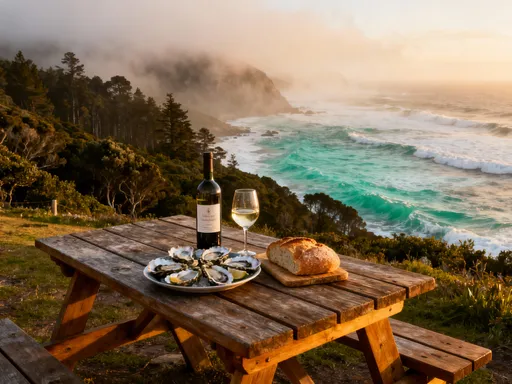
The festival, which began as a local celebration of the oyster harvest, has grown into a major culinary event attracting visitors from across the country. For ten days, the town pulses with energy—cooking demonstrations, live music, and, of course, endless servings of freshly shucked oysters. But even outside festival season, the lagoon remains a haven for seafood lovers. Waterside restaurants like The Waterfront and East Head Café offer front-row seats to the action, where diners can watch boats return with the day’s catch while sipping crisp local Sauvignon Blanc.
Order a dozen oysters, and they arrive on a bed of ice, glistening with seawater. A squeeze of lemon, a dash of Tabasco, and the first bite delivers a burst of briny sweetness, the texture both firm and delicate. Paired with the gentle lap of waves and the distant cry of fish eagles, the experience transcends mere consumption. It becomes a moment of immersion—into place, into season, into the rhythm of coastal life. The oysters, cultivated sustainably in the lagoon’s clean waters, are a testament to the region’s commitment to quality and environmental stewardship.
What makes Knysna exceptional is not just the food but the setting in which it is enjoyed. The lagoon offers a sense of enclosure and safety, a natural amphitheater where nature and nurture converge. Families gather for weekend lunches, couples toast sunsets with glasses of MCC (Méthode Cap Classique), and solo travelers find quiet corners to journal or read. The combination of luxury and accessibility—fine dining alongside casual seafood shacks—ensures that every visitor can find their perfect table with a view. In Knysna, the boundary between landscape and plate dissolves, leaving only the pure pleasure of being present.
Plettenberg Bay: Sunset Feasts and Seaside Eateries
Further east, Plettenberg Bay—affectionately known as Plett—offers a blend of natural grandeur and culinary charm. The bay itself is a sweeping curve of white sand framed by cliffs and dunes, with the Robberg Nature Reserve forming a dramatic peninsula to the south. This UNESCO-recognized site provides one of the most breathtaking vantage points along the route. A moderate hike to the tip of Robberg rewards visitors with panoramic views of the coastline, where the ocean stretches endlessly under shifting skies. It is here, as the sun begins its descent, that many choose to pause for a late afternoon picnic—a simple yet profound ritual.
Imagine a wicker basket unpacked on a flat rock: sourdough bread from a local bakery, slices of cured venison and karoo lamb, a wedge of aged cheddar, and a jar of fig and rooibos jam. Add a thermos of iced herbal tea and a handful of dark chocolate, and you have the makings of a feast. As the light turns golden and the waves crash below, the act of eating becomes meditative. Each bite is heightened by the sounds and scents of the sea, the cool breeze, and the sense of solitude. This is slow dining at its finest—unhurried, intentional, and deeply satisfying.
The quality of the food reflects Plett’s dedication to sustainable sourcing. Many restaurants partner with local fishermen who use line-catch methods, ensuring minimal bycatch and healthier fish populations. The result is seafood that tastes cleaner, fresher, and more vibrant. At The Beach House and Ocean Restaurant, menus change with the tides, featuring yellowtail, kingklip, and calamari sourced within hours of being caught. Even the bread is often made with locally milled flour, and the vegetables come from nearby organic farms.
There is an emotional resonance to eating at sunset on the coast—a feeling of closure, gratitude, and connection. The fading light softens edges, both literal and emotional, inviting reflection. For many travelers, especially women between 30 and 55 who may be navigating busy family lives or personal transitions, these moments offer a rare sense of peace. The combination of natural beauty and nourishing food creates a restorative experience, one that lingers long after the journey ends. In Plettenberg Bay, the meal is not just about sustenance; it’s about renewal.
Tsitsikamma’s Coastal Caves and Forest Eats
As the Garden Route approaches its eastern end, the landscape grows wilder and more dramatic. The Tsitsikamma section, centered around Storms River Mouth, is a realm of towering evergreen trees, cascading streams, and rugged coastline. Part of the larger Garden Route National Park, this area is a haven for hikers, birdwatchers, and those seeking solitude. The suspension bridges over the river offer thrilling views, while trails like the Otter Trail attract serious adventurers. But even for those who prefer gentler exploration, the region offers profound sensory rewards—especially at mealtime.
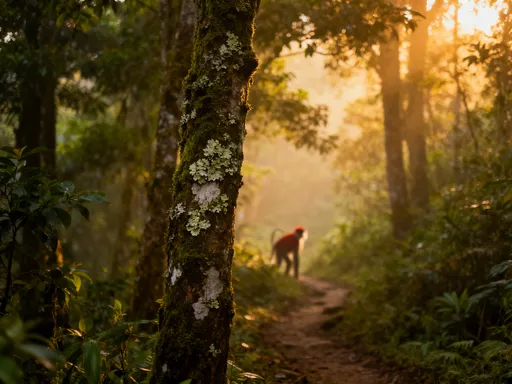
One of the most memorable food experiences here is found at a rustic café near the Storms River rest area. Built from timber and stone, it blends into the forest like a hidden lodge. Inside, the air is warm with the scent of wood smoke and baking bread. The specialty? *Potbrood*—a traditional Afrikaans bread baked in a cast-iron pot over an open fire. Served with butter and homemade apricot jam, it is comfort in edible form. Paired with a bowl of venison stew slow-cooked with red wine and wild herbs, the meal feels deeply grounding.
The use of indigenous ingredients elevates the cuisine. *Wild garlic*, foraged from damp forest floors, adds a pungent freshness to sauces and soups. *Slow*—a local herb also known as *salvie*—is used to season meats and stews, imparting a subtle, earthy aroma. These flavors are not merely culinary choices; they are expressions of place, connecting modern diners to centuries of foraging knowledge. The food here is unpretentious, hearty, and honest—meant to fuel long walks and warm cold evenings.
What makes Tsitsikamma special is its sense of remoteness. Unlike the more developed towns to the west, this area remains relatively untouched. There are no chain restaurants, no crowded plazas—just small, family-run spots that operate on their own rhythm. Meals are served when ready, not on demand. This slowness is part of the charm. It encourages visitors to shed urban urgency and embrace a more natural pace. For many, especially those accustomed to the demands of modern life, this shift is both disarming and healing. In the forest, surrounded by ancient trees and the sound of running water, a simple meal becomes a ceremony of presence.
Farm Stalls with a View: The Hidden Gems of the Route
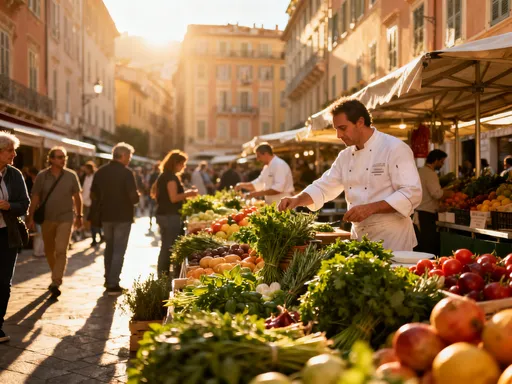
While the coastal towns draw much of the attention, some of the most authentic food experiences on the Garden Route happen between destinations. Along the winding roads, farm stalls appear like oases—modest structures with wooden signs, flower beds, and shaded seating areas. These are not mere convenience stops; they are cultural touchstones, preserving rural traditions and offering direct access to local producers. From honey and jams to pies and rooibos tea, they showcase the bounty of the region’s farms and gardens.
One standout example is the lavender farm near Heidelberg, a small town roughly midway along the route. Here, rolling fields of purple bloom in spring and summer, releasing a calming fragrance into the air. The on-site tearoom serves light lunches—quiche with garden salad, lavender shortbread, and, of course, rooibos iced tea with a hint of honey. Seated on a veranda overlooking the hills, guests can watch bees dart between flowers while sipping tea that tastes of sun and earth. The experience is both luxurious and humble, a reminder that beauty and nourishment often grow side by side.
These farm stalls play a vital role in agrotourism, supporting small-scale farmers and reducing food miles. By selling directly to consumers, they ensure fairer prices for producers and fresher products for visitors. Many stalls label their goods with the name of the farmer and the date of harvest, fostering transparency and trust. For travelers, this creates a deeper connection to what they eat. Knowing that a jar of fig jam was made that morning by a woman named Maria adds meaning to every spoonful.
When visiting these stops, a few tips enhance the experience. Look for stalls with high foot traffic—popular spots often mean fresher stock. Ask about ingredients, especially if you have dietary preferences. And don’t rush; many of the best conversations happen while waiting for a pie to be warmed or a cup of tea to steep. These moments of pause are where memories are made. In a world that often values speed over substance, the farm stall offers a quiet rebellion—a celebration of slowness, seasonality, and community.
Cape Malay Flavors Along the Coast: A Taste of Heritage
As the Garden Route weaves through coastal towns, another culinary tradition emerges: Cape Malay cuisine. Originating with enslaved people from Southeast Asia brought to the Cape in the 17th and 18th centuries, this cuisine is a story of resilience, adaptation, and flavor. Though centered in Cape Town, its influence extends eastward, appearing in family-run cafés and weekend markets along the route. Dishes like *bobotie*—a spiced minced meat bake topped with a golden egg custard—and *koeksisters*—crispy, syrup-drenched pastries—are now beloved across South Africa.
In towns like Wilderness and Nature’s Valley, small eateries serve these heritage dishes with a local twist. A *bobotie* might be made with line-caught fish instead of lamb, or a *koeksister* infused with rooibos syrup. These adaptations reflect the region’s emphasis on fresh, local ingredients while honoring tradition. Eating a warm *bobotie* at a seaside café, with the ocean breeze drifting through open windows, connects the diner to centuries of cultural exchange. The spices—cinnamon, turmeric, cloves—carry the scent of distant lands, yet the dish feels entirely at home in this coastal setting.
For many visitors, especially women who value family and tradition, Cape Malay food evokes a sense of warmth and continuity. The act of slow cooking, of layering flavors over hours, mirrors the rhythms of caregiving and home. Sharing a platter of *samoosas* or a bowl of yellow rice becomes an act of communion. In these moments, food transcends nourishment; it becomes storytelling, a way of passing down history through taste.
The presence of Cape Malay cuisine along the Garden Route also highlights South Africa’s multicultural identity. It reminds travelers that flavor is not static but evolves through movement, migration, and adaptation. To taste this food is to acknowledge the complex, often painful, history behind it—and to celebrate the creativity and strength that emerged from it. In every bite, there is resilience. In every meal, a legacy.
Why Food and Viewpoints Belong Together on This Journey
The Garden Route is more than a collection of scenic stops; it is a masterclass in sensory travel. Each viewpoint, each meal, contributes to a deeper understanding of place. Science supports what travelers intuitively feel: environment shapes experience. Studies in environmental psychology and gastrophysics show that natural settings enhance flavor perception. The color of the sky, the sound of waves, even the temperature of the air can influence how food tastes. A sandwich eaten on a city bench may be functional, but the same sandwich enjoyed on a cliff overlooking the ocean becomes memorable.
This synergy between food and scenery is especially powerful for those seeking meaning in their travels. For women in their 30s to 50s, many of whom balance family, work, and personal growth, the Garden Route offers a rare opportunity to reconnect—with nature, with culture, with themselves. A meal shared with loved ones on a beach, a quiet cup of tea in a forest clearing, a spontaneous stop at a farm stall—these are not luxuries but necessities. They restore balance, spark joy, and create lasting memories.
The journey also encourages mindfulness. In a world of fast food and faster lives, the Garden Route slows you down. It asks you to notice the steam rising from a bowl of stew, the crunch of bread fresh from the oven, the way light dances on water as you sip your wine. These details matter. They are the threads that weave the fabric of a meaningful life. By choosing to eat with intention and in beautiful places, travelers reclaim a sense of presence often lost in daily routines.
In the end, the Garden Route is not just seen—it is tasted, smelled, and felt. It lingers in the body and the heart. It reminds us that travel is not only about where we go but how we experience it. So the next time you plan a journey, consider not just the destinations but the meals in between. Choose spots where the view enhances the flavor, where the air carries the scent of herbs and ocean, where time moves a little slower. Because some of the best moments in life happen not in grand gestures but in quiet, delicious pauses—when you’re seated at a wooden table, fork in hand, and the world feels perfectly aligned.