Taste the Terrain: How Jamaica’s Cliffs, Coves, and Coastline Shape Montego Bay’s Food Soul
You know what? Montego Bay isn’t just beaches and resorts — the real magic lies in how its rugged cliffs, hidden coves, and fertile slopes shape the food. I never expected jerk chicken smoked over pimento wood in a hillside hut to taste so alive, or fresh coconut water to mean so much until sipped on a rocky shore at sunrise. This is more than dining — it’s terrain talking through flavor. Every bite in Montego Bay carries the whisper of sea spray, the warmth of sun-baked soil, and the depth of mountain smoke. The island’s natural landscape doesn’t just provide scenery; it actively shapes what ends up on the plate. From the turquoise shallows to the misty highlands, geography is the silent chef behind Jamaica’s most authentic meals.
Where Landscape Meets Lunch
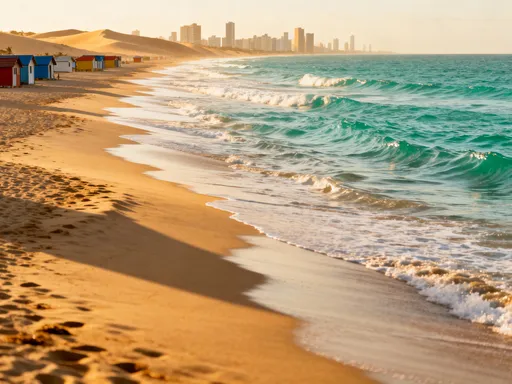
Montego Bay’s culinary identity cannot be separated from its physical form. Nestled along the northwestern coast of Jamaica, the city is framed by dramatic limestone cliffs, sheltered coves, and rolling hills that climb steadily into the interior. These aren’t just postcard views — they are active contributors to the region’s food culture. The elevation changes create microclimates that support diverse agriculture, while the proximity to both sea and mountain ensures a constant flow of fresh ingredients. Rainfall patterns, soil composition, and exposure to trade winds all influence what grows, how it tastes, and when it’s harvested. Even the way food is cooked — whether grilled over open flame, slow-smoked in pits, or steamed in banana leaves — is shaped by available resources and terrain-specific traditions.
In Montego Bay, meals unfold as natural extensions of the environment. A fisherman pulls his catch from coral-protected waters just before dawn, knowing the morning sun will soon warm the open-air market where his snapper will be sold within hours. A farmer climbs the misty slopes above the bay, harvesting yams enriched by volcanic soil and seasonal rains. A cook stokes a jerk pit nestled in a hillside clearing, where pimento wood burns slowly, releasing aromatic smoke that clings to chicken and pork. Each step in the food chain is rooted in place. This is not industrialized cuisine; it’s a rhythm of life shaped by geography, climate, and generations of knowledge passed down through families and communities.
For travelers, understanding this connection transforms dining from a routine activity into a sensory exploration. To eat in Montego Bay is to taste elevation, salinity, and sun exposure. It’s to recognize that flavor doesn’t come from recipes alone — it emerges from the land itself. The island’s terrain teaches patience, respect, and intentionality. It invites visitors to slow down, seek out local voices, and let the landscape guide their culinary journey.
The Coastal Edge: Seafood Born from Turquoise Waters
The Caribbean Sea surrounding Montego Bay is more than a scenic backdrop — it’s a vital source of nourishment and tradition. Warm tropical currents flow steadily along the coast, supporting a rich marine ecosystem protected by offshore coral reefs. These natural barriers create calm, shallow bays where fish thrive, making it easier for local fishermen to use sustainable methods like hand lines and small nets. The result is a steady supply of ultra-fresh seafood that forms the backbone of coastal cuisine. Snapper, kingfish, mackerel, and parrotfish are among the most commonly caught species, each prized for its firm texture and clean taste.
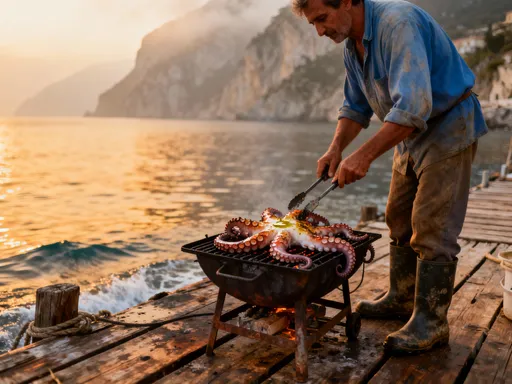
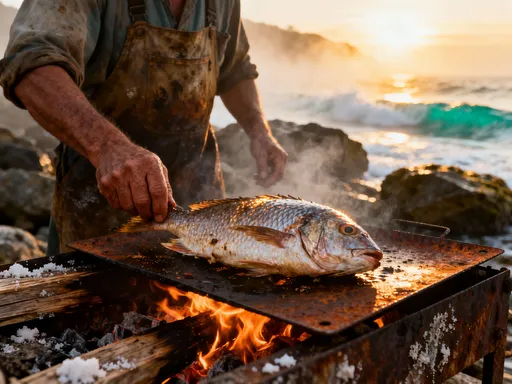
At sunrise, fishing boats return to small harbors along the bay, their holds filled with the night’s catch. Within hours, fish are cleaned, scaled, and laid out on wooden tables at open-air markets or roadside fish shacks. These informal eateries, often little more than shaded grills with plastic chairs, serve some of the most authentic seafood in Jamaica. A typical preparation involves seasoning the fish with salt, black pepper, scallion, thyme, and a generous squeeze of lime before grilling it over hot iron sheets. The citrus cuts through the richness of the oil, while the scallion and thyme add herbal depth. The salt air enhances every bite, making even simple grilled fish taste profoundly alive.
The dominance of lime and scallion in coastal seasoning is no accident. These ingredients grow abundantly near the shore and pair naturally with seafood. Lime juice not only adds brightness but also helps preserve fish in the absence of refrigeration — a practical adaptation that has become a defining flavor. Scallion, known locally as “escallion,” is a staple in Jamaican cooking, valued for its mild onion-garlic aroma. Together with thyme and Scotch bonnet peppers, these seasonings form the foundation of Jamaican marinades and sauces, ensuring that even the simplest dishes carry complex layers of taste.
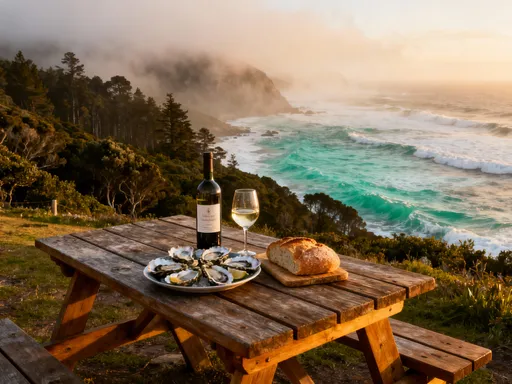
For visitors, the best way to experience this coastal food culture is to follow the fishermen. Early mornings at the Rose Hall or Ironshore fishing docks offer a glimpse into the daily rhythm of harvest and preparation. From there, a short walk to a nearby fish fry — a communal gathering where multiple vendors grill different species — provides an immersive tasting experience. Eating fresh snapper on the beach, with waves lapping nearby and the sun rising over the water, connects diner to source in a way no restaurant can replicate.
Upland Roots: Farming the Fertile Slopes Above the Bay
Above the shimmering coastline, the land rises into lush green hills where smallholder farmers cultivate a bounty of root crops. These elevated zones, cooled by trade winds and nourished by consistent rainfall, offer ideal conditions for growing yams, dasheen (taro), sweet potatoes, and eddoes. Unlike the sandy coastal soils, the mountain slopes are rich with volcanic deposits, giving crops a dense, earthy flavor that reflects their terroir. Farming here is often done by hand, using traditional tools and methods passed down for generations. Terraced plots follow the contours of the hills, preventing erosion and maximizing water retention — a sustainable practice born of necessity and wisdom.
Root vegetables play a central role in Jamaican home cooking, appearing in soups, stews, and side dishes. They are valued not only for their flavor but also for their nutritional density and ability to store well. In rural communities, it’s common to see families harvesting yams during the dry season, when the soil is firm enough to dig without collapsing. These seasonal rhythms dictate the availability of ingredients, reinforcing a culture of eating with the land rather than against it. Roadside stands along the winding mountain roads often display baskets of freshly dug roots, alongside plantains, breadfruit, and callaloo — a leafy green similar to spinach.
The connection between farming and food is immediate and visible. A farmer might harvest dasheen in the morning and sell it by noon at a local market, where a cook uses it that evening in a hearty pepper pot soup. This short supply chain ensures freshness and supports community resilience. Many families still practice subsistence farming, growing enough to feed themselves and selling surplus at nearby towns. This decentralized model reduces reliance on imported goods and preserves agricultural diversity — a quiet act of sustainability that sustains both people and land.
For travelers interested in authentic cuisine, visiting these upland farms offers a rare insight into Jamaica’s food roots. Guided agro-tours are increasingly available, allowing guests to walk the fields, learn about planting cycles, and even help harvest. Some farms include cooking demonstrations, where visitors can taste dishes made entirely from ingredients grown on-site. These experiences go beyond tourism — they foster appreciation for the labor, knowledge, and natural conditions that make Jamaican food unique.
The Pit Stops: Roadside Eateries Nestled in the Terrain
Jamaica’s winding roads and dramatic topography give rise to a network of informal food spots known as “pit stops.” These roadside eateries are not chain restaurants or tourist traps — they are community hubs born from necessity and shaped by location. Perched on hilltops, tucked into valleys, or nestled beside river crossings, these spots serve food that reflects their surroundings. A jerk stand on a mountainside uses wood from nearby pimento trees; a patty stall in a lowland valley offers fillings made from locally raised beef or salted fish. Each location adapts to what the land provides, creating a patchwork of regional flavors.
One of the most iconic pit stops is the hilltop jerk center, where smoky aromas drift through the air long before you see the source. These pits are often family-run, operating out of converted shipping containers or open-air kitchens built from concrete and corrugated metal. The cooking method is centuries old: meat is marinated in a fiery blend of Scotch bonnet peppers, thyme, allspice, garlic, and green onions, then slow-smoked over pimento wood in covered pits. The altitude plays a subtle but important role — cooler temperatures at higher elevations allow for slower, more controlled smoking, which enhances flavor penetration and tenderness.
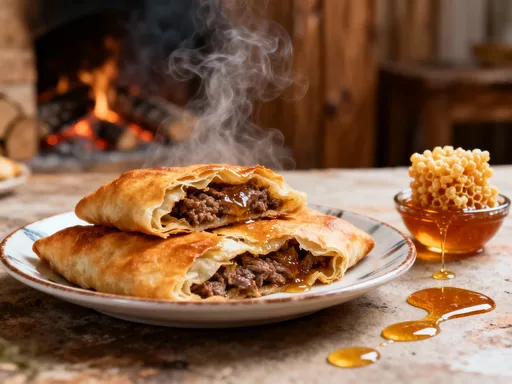
Other pit stops specialize in handheld foods perfect for travelers. Patti shops sell flaky golden pastries filled with spiced meat, vegetables, or cheese. Bamboo stalls grill skewers of chicken or pork seasoned with soy sauce, ginger, and brown sugar — a legacy of Chinese influence in Jamaican cuisine. Juice stands offer fresh coconut water, soursop, or carrot juice blended with milk and nutmeg. These bites are not just convenient — they are expressions of place, made with local ingredients and served with genuine warmth.
The atmosphere at these spots is as important as the food. There’s a sense of community, of shared space and mutual respect. Customers often sit on benches or stand while eating, engaging in conversation with vendors and fellow diners. Music plays from battered speakers — reggae, dancehall, or gospel — adding to the lively rhythm of daily life. For visitors, stopping at a roadside eatery is not just about satisfying hunger; it’s about connecting with the pulse of local culture. It’s where geography, tradition, and hospitality converge in the most delicious way.
Riverbanks and Rum: How Freshwater Streams Fuel Flavor
Beneath Montego Bay’s surface beauty lies a network of freshwater springs and rivers that have shaped its agricultural and culinary history. These streams, fed by rainfall from the Cockpit Country hills, flow down through limestone aquifers, emerging as clear, mineral-rich sources of water. This high-quality water has long supported the cultivation of sugar cane, fruit trees, and herbs — ingredients essential to Jamaica’s flavor profile. It also plays a crucial role in one of the island’s most famous exports: rum.
Rum production in Jamaica dates back to the 17th century, when sugar plantations used molasses — a byproduct of cane processing — to distill spirits. The purity of the water was critical to fermentation and dilution, influencing the final character of the rum. Today, small craft distilleries and historic estates alike continue to draw from natural springs, believing that the mineral balance enhances smoothness and depth. Visitors to working rum estates can see copper stills in operation, smell the sweet fermentation vats, and taste aged rums with notes of caramel, spice, and tropical fruit — all rooted in the land’s hydrology.
Beyond alcohol, freshwater streams support orchards growing mangoes, guineps, and ackee — Jamaica’s national fruit. These trees thrive near riverbanks, where moisture is abundant and soil is fertile. During harvest season, fruit vendors line the roads, selling plump mangoes still warm from the sun. Some stands offer freshly squeezed juice, blended with water from the same streams that nourished the trees. The result is a drink that tastes unmistakably of place — sweet, tangy, and refreshingly clean.
Rum shops, a staple of rural life, serve as social centers where locals gather to sip spirits, share stories, and listen to music. These modest establishments, often little more than a counter under a zinc roof, reflect a culture of moderation and community. While tourism has introduced cocktail bars and tasting tours, the traditional rum shop remains a symbol of authenticity. For travelers, visiting one offers a chance to experience Jamaica beyond the resort — to drink not just rum, but the essence of its rivers and soil.
The Spice of Elevation: From Pimento Trees to Mountain Jerk
No discussion of Montego Bay’s food soul is complete without addressing jerk — the bold, smoky cooking tradition that defines Jamaican cuisine. While jerk is now found worldwide, its true essence lies in the island’s interior highlands, where pimento trees grow wild in moist, shaded forests. Allspice — the dried berry of the pimento tree — is the heart of jerk seasoning, lending warmth, sweetness, and complexity. But it’s not just the spice that matters; it’s the method and the setting.
Inland jerk pits, often located in remote mountain clearings, use whole pimento logs to fuel slow, low-temperature smoking. The wood imparts a distinctive aroma that cannot be replicated with charcoal or other fuels. Because the highlands are cooler and more humid than the coast, the smoking process takes longer, allowing flavors to penetrate deeply into the meat. Chicken and pork are the most common choices, marinated for hours or even days in a paste of allspice, Scotch bonnet peppers, thyme, garlic, and brown sugar before being placed over the pit. The result is tender, spicy, and deeply aromatic — a flavor that lingers on the palate and in memory.
Coastal versions of jerk exist, but they differ in subtle ways. Without easy access to pimento wood, some seaside vendors use charcoal or other hardwoods, altering the smoke profile. The hotter, drier climate also speeds up cooking, sometimes sacrificing depth for convenience. While still delicious, these adaptations highlight how terrain influences authenticity. True mountain jerk is not just a dish — it’s a product of elevation, humidity, and tradition.
For visitors, seeking out an inland jerk center is one of the most rewarding culinary adventures. Places like Scot's Hall or Balcarres offer the real thing, often served with festival (a sweet fried dough) and roasted breadfruit. Eating jerk in its natural setting — surrounded by forest, breathing in woodsmoke, feeling the cool mountain air — deepens the experience. It becomes clear that this food could not exist anywhere else. It is born of a specific place, shaped by centuries of practice, and sustained by respect for the land.
Eating with the Land: A Food Journey That Respects Nature
At the heart of Montego Bay’s food culture is a quiet but powerful ethic: respect for nature. This is not a trendy slogan or marketing ploy — it’s a way of life. Generations of Jamaicans have learned to work with the land, not against it. They plant according to the rains, harvest in season, and use every part of an ingredient. Nothing is wasted. Fish heads become soup stock. Banana leaves wrap food for steaming. Coconut husks fuel fires. This mindset of resourcefulness and reverence ensures that food remains connected to its source.
Seasonal eating is instinctive here. There’s no demand for strawberries in December or imported tomatoes when local produce is abundant. Instead, meals shift with the calendar — mangoes in summer, ackee in spring, root vegetables in the dry months. This rhythm fosters appreciation for freshness and variety. It also supports biodiversity, as farmers grow a wide range of crops suited to different microclimates. Traditional knowledge plays a key role — elders teach younger generations how to read the signs of nature, from bird behavior to moon phases, to guide planting and harvesting.
Sustainability is built into everyday practices. Fishing is done on a scale that allows stocks to replenish. Farming avoids heavy chemical use, relying instead on compost and crop rotation. Cooking methods prioritize efficiency and flavor over speed. These choices may seem small, but together they form a resilient food system that honors the environment. For travelers, adopting this mindset — even temporarily — can transform the way they experience food. Choosing local, asking about origins, and supporting small vendors are simple acts that contribute to preservation.
More than just a culinary destination, Montego Bay offers a model of how food can be deeply rooted in place. It shows that flavor is not manufactured — it is cultivated, nurtured, and revealed through patience and care. To eat here is to participate in a legacy of harmony between people and land.
Let the Terrain Guide Your Plate
Montego Bay’s landscape is not a passive backdrop — it is an active ingredient in every meal. From the salty kiss of sea air on grilled fish to the deep smoke of pimento wood in mountain jerk, the terrain shapes flavor in profound ways. The cliffs, coves, and coastline are not just scenic wonders; they are the foundation of a living food culture that values authenticity, seasonality, and connection. To understand Jamaican cuisine is to understand the land that feeds it.
For travelers, the invitation is clear: taste intentionally. Seek out the fisherman’s stall at dawn, climb the hills to a family-run farm, stop at a roadside jerk pit where smoke curls into the sky. Let geography guide your choices. Ask questions. Listen to stories. Eat slowly. When you sip coconut water on a rocky shore or savor a yam stewed in fresh herbs, you’re not just consuming food — you’re experiencing the soul of the island.
In a world of fast meals and globalized flavors, Montego Bay reminds us that the most meaningful dishes are those rooted in place. They carry the memory of rain, the warmth of sun, and the labor of hands that know the land. They invite us to eat with awareness, gratitude, and joy. So come not just to see Jamaica, but to taste it — with every sense alive to the rhythm of terrain and tradition.