Phnom Penh’s Food Soul: A Local’s Table, Not a Tourist Trail
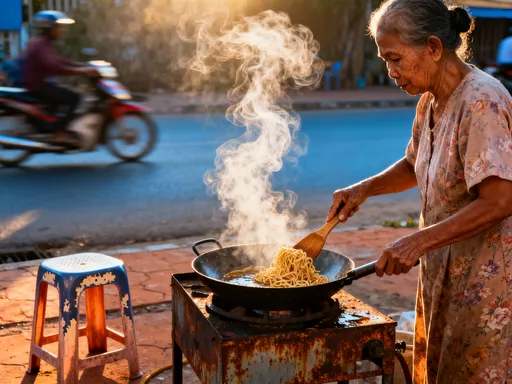
You know that feeling when food just gets you? In Phnom Penh, it’s not about fancy restaurants or Instagrammable plates—it’s steam rising from street woks, the tang of fish sauce in the air, and grandmothers flipping pancakes with hands that have cooked for decades. I didn’t just taste the city; I sat at its kitchen table. This is food culture alive, raw, and deeply personal—where every bite tells a story of resilience, family, and flavor you won’t find in any guidebook. More than a sensory journey, dining in Phnom Penh is an emotional one, where recipes carry memory and meals unfold like conversations. It’s not simply about sustenance—it’s about connection, continuity, and the quiet pride of a culture that feeds its soul through what it serves.
Arrival in Phnom Penh: First Bites, First Impressions
Stepping into Phnom Penh is like entering a city that breathes in rhythms of heat, motion, and scent. The humid air wraps around you, carrying the distant hum of motorbikes, the chatter of vendors, and the unmistakable aroma of garlic sizzling in oil. Within minutes of arriving, the call of food is impossible to ignore. Along narrow sidewalks, clusters of plastic stools gather around low tables, signaling a meal in progress. These are not dining rooms but life in motion—where office workers, students, and elders alike pause for a bowl of something warm, savory, and deeply satisfying.
My first real taste of the city came from a roadside stall no wider than a doorway, tucked between a pharmacy and a bicycle repair shop. The vendor, a woman in her fifties with a faded apron and practiced hands, served bai sach chrouk—grilled pork over fragrant rice, topped with a thin slice of cucumber and a fried egg. The pork was marinated in garlic and coconut milk, giving it a sweetness that balanced the smoky char from the open flame. It was simple, yes, but the flavor was layered and true. No menu, no frills, just food prepared with care and served with quiet dignity.
This contrasted sharply with the tourist-centered areas, where English menus and air-conditioned cafes offered a polished but distant version of Cambodian cuisine. In those spaces, food often felt like a performance. But on the side streets, where locals queued before sunrise and returned at lunch, the experience was authentic. The real markers of a trustworthy stall? Long lines of Cambodians, repeated customers, and the absence of flashy signage. When the chairs are plastic and the counter is just a folding table, you’re likely in the right place.
Eating like a local begins with slowing down. It means resisting the urge to rush, to photograph every dish, or to seek comfort in the familiar. Instead, it asks you to follow the rhythm of the city—to observe where people eat, how they eat, and what they eat. It’s in these small, unremarkable corners that Phnom Penh reveals its heart. The city doesn’t hand over its secrets easily, but it will share them with those who are willing to sit, watch, and listen—with their stomachs.
Morning Rituals: Breakfast Like a True Phnom Penher
In Phnom Penh, the day doesn’t begin with coffee and toast—it begins with steam, spice, and shared tables. By 6 a.m., the streets are already alive with the clatter of pots and the murmur of early risers gathering for breakfast. This is when the city’s culinary soul stirs most vividly. Morning meals here are not rushed affairs but deliberate rituals, often eaten standing up or perched on low stools, yet filled with a sense of community and routine.
Kuy teav, a delicate pork and rice noodle soup, is a breakfast staple for countless Phnom Penh residents. Served in wide ceramic bowls, it arrives steaming, topped with fresh herbs, crispy fried garlic, and a wedge of lime. The broth is clear but deeply flavorful, simmered for hours with pork bones and seasoned with fish sauce and white pepper. What makes it special is not just the taste, but the way it’s shared—vendors ladle it quickly, customers slurp it slowly, and conversation flows between spoonfuls. It’s nourishment in its purest form, warm and grounding, preparing the body and mind for the day ahead.
Equally common are the simple pleasures of fried dough sticks—youtiao—dipped into sweetened soy milk or paired with congee. Found at corner stalls and tucked inside markets, these golden strips of fried dough are light and airy, perfect for soaking up rich broths or enjoyed on their own. Nearby, elderly women fold banana leaves around sticky rice and mung beans, selling nung by the piece to passersby. These morning bites are not elaborate, but they are essential, passed down through generations and woven into the fabric of daily life.
No morning in Phnom Penh is complete without cafe sua da—iced coffee with sweetened condensed milk. Brewed strong through a metal filter, then poured over ice with a generous swirl of milk, this drink is both bold and comforting. It’s served in glass tumblers, often without a lid, and sipped slowly as the sun rises. More than just caffeine, it’s a moment of pause, a small luxury that millions begin their day with. In these rituals—simple, consistent, and deeply rooted—lies the essence of Cambodian resilience. Food is not an afterthought; it is the first act of care each day.
Street Food as Heritage: Flavors That Survived Time
To eat street food in Phnom Penh is to taste history. Dishes like nom banh chok—a tangle of rice noodles topped with a fragrant green fish curry—and samlor machu, a sour soup brightened with tamarind and pineapple, are not trendy innovations. They are centuries-old recipes, preserved through war, displacement, and change. Passed from mother to daughter, grandmother to granddaughter, these flavors have endured not because they are fashionable, but because they are fundamental.
Nom banh chok, often eaten for breakfast or as a light lunch, is a dish of quiet complexity. The sauce, made with lemongrass, turmeric, kaffir lime leaves, and freshwater fish, is simmered until rich and aromatic. It’s served over cool rice noodles and accompanied by a rainbow of fresh vegetables—cucumber, banana blossom, water lily stems, and bean sprouts. Each bite is a balance of creamy, tangy, herbal, and crisp. To eat it is to participate in a tradition that stretches back through generations, one that values harmony not just on the plate but in life.
Equally telling is samlor machu, a sour soup that reflects Cambodia’s deep connection to its rivers and seasons. Often made with fish, bamboo shoots, and tomatoes, it carries a brightness that cuts through the heat of the day. The sourness, derived from tamarind or unripe mango, is not sharp but rounded, almost comforting. Vendors who have cooked this dish for decades speak of it as a remedy, a way to restore balance when the body feels heavy. In their words, food is not just fuel—it’s healing, memory, and identity all at once.
These dishes survived periods of immense hardship, including the Khmer Rouge era, when many traditions were nearly lost. Families who preserved recipes in secret, cooking quietly in homes or sharing meals in silence, ensured that these flavors did not disappear. Today, street vendors—many of them women in their sixties and seventies—continue that legacy, stirring pots with the same wooden spoons their mothers once used. Their stalls may be modest, but their role is profound: they are living archives of Cambodian culture.
Street food, then, is not merely convenient or affordable. It is cultural preservation in motion. Every bowl served is an act of resistance against forgetting. To support these vendors is not just to enjoy a good meal—it is to honor a history of survival, one spoonful at a time.
Hidden Kitchens: Eating Where Locals Eat
Beyond the well-trodden paths of tourist districts lie the true heart of Phnom Penh’s food scene—hidden kitchens tucked into alleyways, residential streets, and forgotten corners of markets. These are not listed on apps or marked with signs. You find them by watching, listening, and following the locals. A cluster of plastic stools outside a garage. A wok glowing under a single bulb at midnight. The scent of caramelized fish sauce drifting from an open window. These are the signals of a meal worth seeking.
One evening, I was led to a small eatery in a quiet neighborhood, accessible only by foot through a narrow lane lined with potted plants. Inside, the space was unassuming: concrete floor, ceiling fan, and long wooden tables where strangers sat side by side. There was no menu—only a nod toward the kitchen, where a woman in an apron began preparing whatever was fresh that day. Soon, plates arrived: amok, a delicate fish curry steamed in banana leaves, its surface shimmering with coconut cream; a pile of stir-fried morning glory with garlic and chili; and a bowl of sour fish soup with eggplant and herbs. It was a feast born of simplicity, each dish made with care and served without pretense.
What made the experience unforgettable was not just the food, but the atmosphere. Without a shared language, communication happened through smiles, gestures, and the passing of dishes. A man across the table offered me a spoonful of his soup. A child handed me a lime wedge without a word. Eating here felt less like dining and more like being welcomed into a home. There were no utensils for the rice—just hands, as is common in many Cambodian households. It was intimate, grounding, and deeply human.
These hidden kitchens thrive on trust and routine. They are frequented by neighbors, office workers, and families who return daily. To find them, look for signs of consistency: the same vendor at the same spot, the same dishes day after day, the same customers. Avoid places that cater only to foreigners with laminated menus and English-speaking staff. Instead, seek out the spots where plastic stools outnumber chairs, where orders are called out rather than written down, and where the aroma alone pulls you in. In these places, food is not a spectacle—it is life.
Markets as Living Pantries: Aromas, Textures, and Discovery
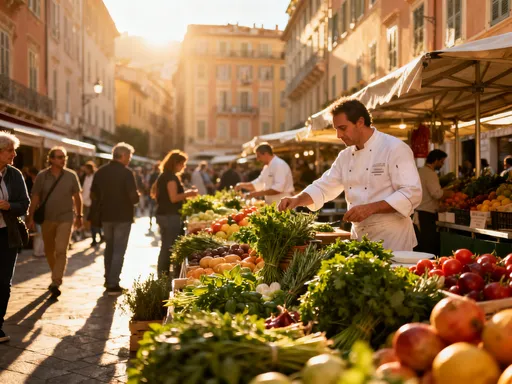
To understand Phnom Penh’s food culture, one must walk its markets. Central Market, with its art deco dome, and the bustling lanes of Russian Market are not just shopping destinations—they are living pantries, where the ingredients of daily meals come to life. These are sensory landscapes: the pungent smell of prahok, Cambodia’s fermented fish paste; the sticky sweetness of palm sugar blocks; the sharp citrus of kaffir limes; the vibrant green of lemongrass and holy basil. Every stall tells a story of origin, season, and tradition.
Prahok, in particular, is a cornerstone of Khmer cuisine. It may be strong in scent, but it is revered for its depth of flavor. Used in curries, dips, and stir-fries, it adds umami and complexity to dishes. Vendors sell it in small clay jars or wrapped in banana leaves, often made in rural villages and transported to the city. To see it displayed alongside fresh river fish and dried shrimp is to witness the connection between land, water, and table. Similarly, palm sugar—harvested from coconut or sugar palm trees—is prized for its rich, caramel-like taste. It is sold in round cakes, soft and dark, used to sweeten desserts, sauces, and even savory dishes.
Herbs are another essential. Bunches of mint, cilantro, and sawtooth coriander hang like bouquets, while kaffir lime leaves and turmeric roots sit in woven baskets. These are not garnishes but core ingredients, added in abundance to soups, salads, and curries. Their freshness is non-negotiable—many vendors wash and bundle them at dawn, ensuring they are crisp and aromatic by mid-morning.
Markets are also social spaces. Women bargain gently, not with aggression but with familiarity. Friends pause to chat while selecting vegetables. Grandmothers teach grandchildren how to choose ripe mangoes. It is here that food becomes more than nutrition—it becomes ritual, relationship, and rhythm. For visitors, exploring these markets requires respect. Pointing politely, smiling, and making small purchases—even just a bag of roasted peanuts or a coconut—goes a long way. Avoid touching produce without intent to buy, and never take photos without permission. When done with care, a market visit becomes not just observation, but participation.
Modern Twists: Tradition Meets Today’s Phnom Penh
While the soul of Phnom Penh’s cuisine remains rooted in tradition, a quiet evolution is unfolding. A new generation of chefs and home cooks is reimagining classic dishes, not to replace them, but to honor them in fresh ways. These are not radical overhauls, but thoughtful adaptations—small nods to modern life while keeping the essence intact. The result is a cuisine that breathes, grows, and stays relevant without losing its identity.
In quiet corners of the city, small cafes and family-run restaurants are offering subtle innovations. A banh mi, for instance, might be filled with pickled mango instead of carrots, adding a tropical tang. Or lort cha—a stir-fried noodle dish—might be served with a lighter sauce, less oil, and a side of fresh herbs, making it feel brighter and more balanced. These changes reflect a growing awareness of health and flavor clarity, without sacrificing authenticity.
Some younger chefs have trained abroad or worked in international kitchens, bringing back techniques that they now apply with restraint. A modern amok, for example, might be plated more delicately, with a swirl of coconut foam or a dusting of smoked paprika. But the core—steamed fish curry in banana leaf—remains unchanged. The innovation lies in presentation, not transformation. It’s a sign of confidence: the dish is strong enough to stand with subtle enhancements.
These modern touches are not about chasing trends. They are about relevance—making traditional food appealing to younger Cambodians who grew up with global influences. A teenager might be more likely to try samlor korko, a spicy fermented fish stew, if it’s served in a clean, welcoming space with cold drinks and friendly service. In this way, innovation becomes preservation. By adapting the frame, the picture remains visible to new eyes.
The balance is delicate, and most creators approach it with humility. There is no desire to erase the past, only to ensure it has a future. In these quiet experiments, Phnom Penh’s food culture shows its resilience once again—not by resisting change, but by absorbing it with grace.
The Table That Connects: Why Food in Phnom Penh Feels Like Home
On my final evening in the city, I shared a meal with a local family in their courtyard. There was no table, only a low mat spread on the ground. Dishes arrived one by one: a clay pot of sour fish soup, a plate of grilled eggplant with prahok dip, a mound of steamed rice, and a bowl of mango slices. We ate with our hands, passing bowls, refilling plates, laughing at my clumsy attempts to roll rice into a ball. No one spoke English, and my Khmer was nearly nonexistent, yet conversation flowed—through gestures, shared bites, and the universal language of enjoyment.
In that moment, I understood what makes Phnom Penh’s food so powerful. It is not just the flavor, the spice, or the technique. It is the way food dissolves barriers. It invites participation. It turns strangers into companions. A meal here is never just about eating—it is about being together, about offering a piece of yourself through what you cook and share.
This is the quiet magic of Cambodian hospitality. There is no performance, no expectation. You are not a guest to impress, but a person to feed. And in being fed, you are included. The table becomes a bridge—not just across cultures, but across time, connecting past and present through the act of sharing food.
So to any traveler considering Phnom Penh: come for the temples, the history, the river views. But stay for the table. Let the city feed you, not just with flavor, but with feeling. Sit on a plastic stool. Follow the scent of garlic and fish sauce. Eat what the locals eat, where they eat it. Let the heat, the noise, the messiness of it all become part of your memory. Because in Phnom Penh, the most honest stories are not written in guidebooks—they are served on a plate, shared in silence, and remembered for a lifetime.