What Nobody Tells You About Montreal Activities—Avoid These Mistakes
Montreal is more than poutine and old stone streets—it’s a city pulsing with culture, festivals, and outdoor adventures. But trust me, not every activity lives up to the hype. I’ve braved overcrowded tours, confusing transit routes, and overpriced experiences so you don’t have to. From winter festivals to summer riverfront fun, knowing what *not* to do is just as important as the must-sees. Let’s dive into the real side of Montreal’s activity scene.
The Allure of Montreal’s Activity Scene
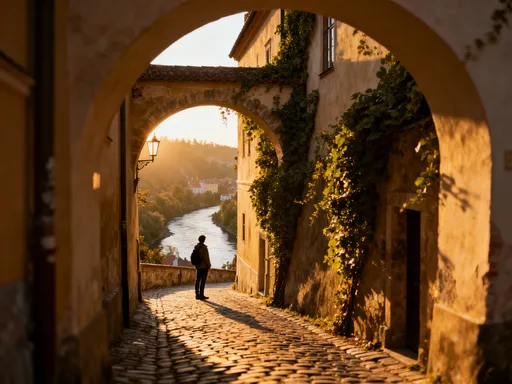
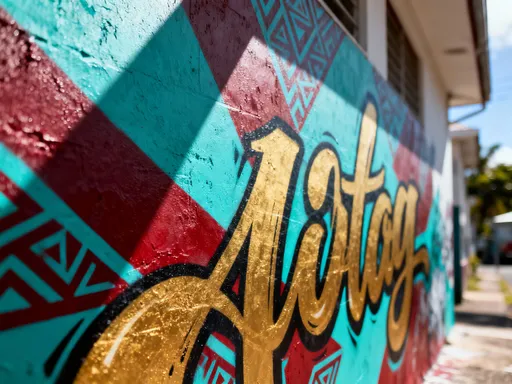
Montreal has long been celebrated for its dynamic blend of European elegance and North American vitality. With over 100 festivals annually, from music and comedy to food and light installations, the city draws millions of visitors eager to immerse themselves in its energetic rhythm. The cobblestone lanes of Old Montreal, the vibrant murals of the Plateau, and the lush expanse of Mount Royal all contribute to an image of a city that is both timeless and ever-evolving. Seasonal transformations—snow-draped parks in winter, bustling terraces in summer—add to the allure, promising something special in every month of the year.
Yet for all its charm, Montreal can be deceiving. Many travelers arrive with high expectations shaped by glossy brochures and viral social media posts, only to find certain experiences underwhelming or even frustrating. The truth is that not every recommended activity delivers on its promise. Some are simply too crowded, others poorly timed, and a few are more about profit than authenticity. The gap between expectation and reality often lies in the details: how you plan, when you go, and where you choose to spend your time and money.
Understanding this gap is the first step toward a more fulfilling visit. Montreal rewards those who look beyond the obvious. While the city’s iconic moments are worth seeing, the deeper satisfaction comes from navigating its rhythms like a local—knowing when to arrive early, where to skip the lines, and which experiences are better left to the tourists. By recognizing the common pitfalls, you can transform your trip from a checklist of sights into a meaningful, stress-free exploration of one of Canada’s most vibrant cities.
Overhyped Tours That Aren’t Worth Your Time
One of the most common missteps visitors make is booking guided tours without researching their actual value. Walking tours and hop-on-hop-off bus circuits are heavily advertised, promising a comprehensive overview of Montreal’s history and culture. In theory, they sound efficient and informative. In practice, many fall short. These tours often cover only surface-level facts, rush through key areas, and lack the depth that curious travelers seek. Worse, they frequently follow the same well-trodden paths, packing dozens of people into narrow Old Montreal alleyways during peak hours, turning what should be a leisurely experience into a congested shuffle.
Old Montreal, in particular, suffers from tour overcrowding. During summer months, it’s not uncommon to see groups of 20 or more clustered around the same historic plaques, blocking sidewalks and photo opportunities. The commentary, often delivered through earpieces, can be hard to hear over ambient noise, and guides may not have time to answer individual questions. The result is a one-size-fits-all experience that feels impersonal and rushed. Many travelers report leaving these tours with little more than a sore foot and a vague sense of having seen something historic without truly understanding it.
A smarter approach is to opt for self-guided exploration or seek out smaller, locally led alternatives. Montreal is exceptionally walkable, and a well-researched walking route can be just as informative—and far more flexible. Free audio guides, available through reputable tourism apps, offer rich historical context without the group pressure. For a more authentic experience, consider micro-tours led by neighborhood residents. These often focus on niche themes like street art in the Mile End, hidden courtyards in the Latin Quarter, or architectural details of early 20th-century buildings. These intimate experiences provide deeper insight and allow for spontaneous discoveries, such as stumbling upon a quiet jazz café or a local artisan selling handmade goods.
Winter Festival Frustrations: More Than Just Snow
Montreal’s winter festivals are world-renowned, drawing visitors from across the globe to experience the city’s resilience and creativity in the face of cold. Events like Igloofest, held at the Old Port, and Montreal en Lumière transform the season into a spectacle of light, music, and culinary delights. On paper, these festivals sound magical: dancing in snow-covered venues, sipping hot chocolate under glowing installations, and tasting gourmet dishes in heated tents. But the reality for many attendees includes long lines, freezing temperatures, and logistical challenges that aren’t always advertised.
Igloofest, for example, is popular for its electronic music and icy igloo bars, but the open-air venue offers limited shelter. Attendees often stand for hours on frozen ground, exposed to wind and sub-zero temperatures, even with proper clothing. The event’s popularity means entry lines can stretch over an hour, and once inside, finding restrooms or food vendors often involves navigating dense crowds. Similarly, Montreal en Lumière, while beautifully curated, can be overwhelming due to its scattered locations across downtown. Moving between performance venues, dining pop-ups, and art displays requires significant walking, which becomes taxing in winter conditions—especially for older visitors or those with mobility concerns.
Transportation is another under-discussed challenge. Public transit routes may not run directly to festival sites, and ride-sharing pickups can be delayed due to high demand. Parking is scarce and expensive, and walking from distant lots in freezing weather is unpleasant. Additionally, ticket prices for premium events or tasting menus can add up quickly, making the experience less accessible than it appears.
To enjoy winter festivals without the stress, consider attending mid-week or during off-peak hours when crowds are lighter. Layering clothing properly—thermal base layers, insulated boots, and windproof outerwear—can make a significant difference in comfort. Instead of focusing only on the major events, explore smaller neighborhood celebrations, such as local tree-lighting ceremonies or outdoor skating parties at neighborhood rinks. These offer the same festive spirit with fewer hassles and a more authentic community feel.
Summer Festival Fatigue: When Fun Turns Overwhelming
If winter brings cold, summer in Montreal brings crowds—and sometimes, sensory overload. The city’s summer festival season is legendary, anchored by global events like the Montreal International Jazz Festival and Just for Laughs. These festivals attract top-tier talent and draw hundreds of thousands of visitors annually. The Jazz Festival alone features over 500 concerts, with both ticketed and free performances across multiple stages. Just for Laughs brings world-famous comedians to outdoor venues and theaters throughout the city. The energy is infectious, and the lineup is impressive. But for many attendees, the experience becomes less about enjoyment and more about endurance.
Crowds are the most immediate challenge. Free outdoor stages, especially along Saint-Laurent Boulevard and the Old Port, often reach capacity early in the day. Standing for hours on hot pavement with little shade or seating can lead to fatigue and discomfort. Families with children or older adults may find the environment overwhelming. Ticketing systems for indoor shows are another pain point—popular acts sell out within minutes, and last-minute planning often leaves visitors with limited options. Even when tickets are secured, venues can be spread across the city, requiring time-consuming transit between performances.
Logistical issues extend beyond timing and location. Many festival zones lack sufficient restrooms, water stations, or shaded areas, making long days physically taxing. Food and drink prices at festival stalls are often inflated, and lines can be long. For visitors unfamiliar with the city, navigating between stages without a clear map or real-time updates can result in missed performances and frustration.
The key to enjoying summer festivals lies in strategy. First, plan ahead: check schedules in advance, book tickets early, and prioritize shows that align with your interests. Consider purchasing day passes or festival bundles, which often offer better value than individual tickets. Focus on free outdoor stages during cooler parts of the day—early evening is ideal. Bring a portable seat or cushion, a reusable water bottle, and sun protection. Finally, don’t feel obligated to see everything. Some of the best moments happen at fringe events in quieter neighborhoods, where local artists perform in intimate settings with far fewer people and a more relaxed vibe.
Mistakes in Choosing Outdoor Adventures
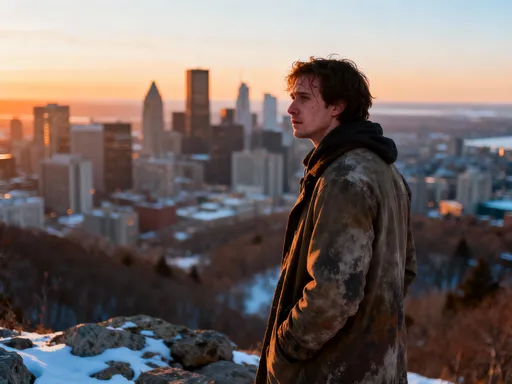
Montreal’s natural spaces are among its greatest assets, with Mount Royal Park and the Lachine Canal offering scenic escapes within the city limits. Yet many visitors misjudge the logistics of these outdoor experiences, leading to disappointment. Mount Royal, designed by Frederick Law Olmsted, is a crown jewel of urban green space, attracting hikers, joggers, and sightseers year-round. The view from the summit cross is iconic, especially at sunrise or in winter when the park is blanketed in snow. However, arriving without a plan can result in frustration—particularly on weekends, when parking near the main entrances becomes nearly impossible.
Even those who secure parking may find the trails confusing. Signage is inconsistent, and the network of paths can be disorienting for first-time visitors. Popular spots like the Beaver Lake area or the Kondiaronk Belvedere often become overcrowded, diminishing the sense of tranquility that draws people to nature. Similarly, attempting to bike the Lachine Canal path without preparation can lead to delays. While the 22-kilometer route offers beautiful views of the water and passing boats, bike rentals are limited and often booked in advance during peak season. Route markings are sometimes unclear, and sudden weather changes—such as afternoon thunderstorms—can make the ride uncomfortable or unsafe.
A more effective approach is to plan outdoor adventures with local conditions in mind. For Mount Royal, consider taking the metro to Mont-Royal or Laurier station and walking into the park from the east side, where crowds are lighter. Start early in the morning to avoid peak visitation and enjoy a peaceful ascent. Use a reliable trail map app to navigate the paths confidently. For the Lachine Canal, check the availability of BIXI bike-share stations in advance—Montreal’s public bike system has hundreds of docking points and offers flexible rental options. Choose a weekday or off-peak hour for a more relaxed ride. Always check the weather forecast and bring layers, as conditions along the water can change quickly.
Dining Experiences That Miss the Mark
Montreal’s culinary reputation is well-earned, with a food scene that blends French technique, Québécois tradition, and global influences. But the most common dining mistake visitors make is eating in high-traffic tourist zones, where restaurants often prioritize volume over authenticity. Along Sainte-Hélène and Rue Notre-Dame in Old Montreal, many establishments serve watered-down versions of local specialties—overpriced poutine with rubbery cheese curds, smoked meat sandwiches lacking depth of flavor, or crepes made from pre-mixed batter. These spots rely on foot traffic rather than reputation, and the result is a meal that feels more like a souvenir than a cultural experience.
The myth of the “must-try” poutine is particularly pervasive. Countless blogs and travel guides list the same few restaurants, leading to hour-long lines and rushed service. While some of these spots are decent, many do not live up to the hype. Long waits do not guarantee quality, and the experience can be underwhelming—especially when the dish arrives lukewarm or with greasy fries. Similarly, so-called “authentic” French bistros in tourist-heavy areas often cater to international palates, simplifying sauces and omitting regional ingredients to appeal to a broader audience.
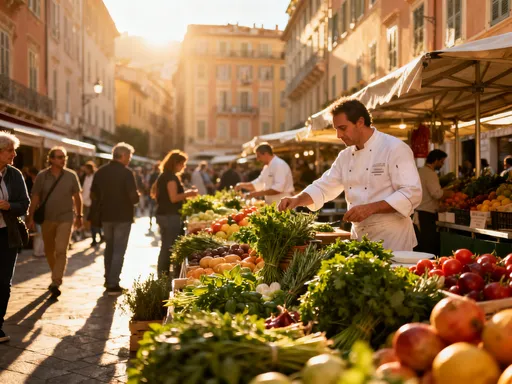
To find real local flavor, venture beyond the postcard-perfect streets. Neighborhoods like Mile End, Little Italy, and Verdun are home to family-run eateries, bakeries, and markets where Montrealers actually eat. Ask hotel staff or shop owners for recommendations—they’re more likely to point you to hidden gems. Visit the Jean-Talon or Atwater markets, where vendors sell fresh produce, artisanal cheeses, and ready-to-eat specialties like tourtière or pea soup. These markets offer not just great food but a glimpse into daily life in Montreal. Dining like a local means embracing spontaneity—stopping at a corner café for a buttery croissant, sharing a plate of rillettes at a neighborhood wine bar, or ordering a steamé at a classic dépanneur.
Navigating Transit Without the Stress
Montreal’s public transit system, operated by the STM, is efficient and extensive, but it can be confusing for first-time users. The metro and bus network connects all major attractions, making it possible to explore the city without a car. However, common mistakes—such as misunderstanding transfer rules, overlooking weekend schedule reductions, or misreading fare zones—can lead to delays, missed connections, and unnecessary expenses. Many visitors assume that a single ticket allows unlimited travel, not realizing that transfers must be requested at the time of purchase and are only valid for a limited window.
Weekend service, especially on buses, often runs on reduced schedules, meaning longer wait times and fewer route options. Tourists relying on outdated maps or unofficial apps may board the wrong bus or exit at the wrong stop, wasting valuable time. The fare system, while straightforward in theory, can be tricky in practice. A single ride costs a few dollars, but transfers are not automatic—riders must ask for one when paying with cash or ensure their OPUS card is properly validated. Tourists unfamiliar with the system may end up buying multiple tickets for one journey, significantly increasing costs.
To navigate transit smoothly, download the official STM app or use a trusted navigation tool like Google Maps, which provides real-time updates on departures and service changes. Study the metro map before arrival—lines are color-coded and easy to follow, with major stops clearly labeled. Consider purchasing a tourist pass, such as a 24- or 72-hour fare card, which offers unlimited rides and can be cost-effective for active explorers. When in doubt, ask station attendants for help—they are generally helpful and speak English. Finally, combine transit with walking. Many destinations are within a 15- to 20-minute walk of metro stations, and exploring on foot often reveals charming streets, murals, and cafés that you’d miss otherwise.
Conclusion: Smarter Experiences, Deeper Connections
Montreal is a city that rewards curiosity, flexibility, and thoughtful planning. The most memorable experiences often come not from following a rigid itinerary, but from knowing what to avoid and how to adapt. By steering clear of overhyped tours, crowded festival peaks, and tourist-trap restaurants, you open the door to a more authentic and enjoyable visit. The pitfalls discussed—whether logistical, financial, or experiential—are common, but they are also avoidable with the right knowledge and mindset.
The shift from checklist tourism to intentional exploration makes all the difference. Instead of rushing from one landmark to the next, take time to linger in a neighborhood park, strike up a conversation with a local shopkeeper, or enjoy a meal at a family-run bistro. These moments of connection often become the most cherished memories. Montreal’s true charm lies not in its postcard views, but in its ability to surprise and delight those who engage with it on a deeper level.
Ultimately, the best travel advice is not about where to go, but how to be present. Embrace the unexpected—the sudden rain that sends you into a cozy bookstore, the street performer whose music stops you in your tracks, the quiet bench overlooking the St. Lawrence where you simply sit and watch the world pass by. These are the moments that define a meaningful journey. By learning what not to do, you free yourself to discover what truly matters—authentic experiences, personal rhythms, and the quiet joy of traveling like you belong.