What I Learned from a Sudden Illness—Real Financial Moves That Actually Worked
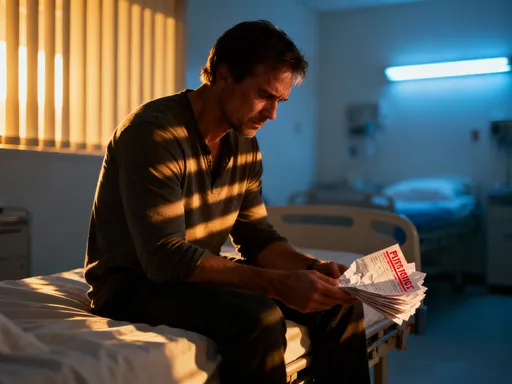
A sudden illness doesn’t just shake your health—it hits your wallet hard. I learned this the hard way when an unexpected hospital stay wiped out months of savings. What followed wasn’t just recovery, but a complete rethink of how I handle money under pressure. This is a real financial case, not a textbook story—just honest lessons on staying afloat when life throws a curveball. These are the practical, tested strategies that kept me from drowning. It wasn’t about making more money; it was about protecting what I had, making smarter choices, and building systems that could withstand shock. The emotional toll was heavy, but the financial strain nearly broke me. In the end, the crisis became a turning point—one that reshaped how I view security, preparation, and resilience.
The Shock Nobody Talks About: How Sudden Illness Hits Your Finances
When a health crisis strikes, the financial impact is immediate and often devastating. For many families, especially those with steady but modest incomes, the illusion of financial stability can vanish in a matter of days. The reality is that medical emergencies don’t just bring hospital bills—they bring a cascade of economic disruptions. Income typically stops or slows, while expenses surge. A routine doctor’s visit becomes a series of specialist appointments. A day off work becomes weeks or even months of medical leave. What once seemed like manageable budgeting quickly becomes a survival strategy. The average American household spends over $12,000 annually on healthcare, but that figure can double or triple during a serious illness. And for those without robust savings or comprehensive coverage, the gap between income and expenses widens fast.
One of the most overlooked aspects of financial strain during illness is the hidden cost of care. These are not the line items on a medical bill but the real-life expenses that pile up quietly. Transportation to and from appointments, for example, can become a daily burden—especially if public transit is unreliable or if specialized treatment is only available in distant cities. Parking fees, gas, and ride-share costs add up quickly. Then there’s the cost of caregiving. If a family member steps in to help, that often means reduced work hours or even job loss. The financial impact of lost wages—sometimes for the patient, sometimes for the caregiver—is rarely factored into personal budgets. Meals during hospital stays, home modifications for recovery, and even the cost of internet access for telehealth appointments all contribute to the financial load.
Another silent drain is the delay or avoidance of care due to cost. Many people postpone necessary treatments because they can’t afford co-pays or fear the total bill. This delay often leads to worsened conditions, longer recovery times, and ultimately higher medical costs. A study by the Kaiser Family Foundation found that nearly half of adults with medical debt delayed care due to cost. This creates a dangerous cycle: illness leads to financial stress, which leads to delayed treatment, which worsens the illness. Budgets designed for predictable expenses—mortgage, groceries, utilities—collapse under the weight of unpredictability. Traditional financial planning often fails in these moments because it assumes continuity. But illness disrupts continuity. It demands flexibility, reserves, and a different kind of financial preparedness—one that anticipates disruption rather than assuming stability.
Emergency Funds: Why Mine Wasn’t Enough (And What I Did Next)
Like many responsible adults, I had an emergency fund. I followed the standard advice: save three to six months of living expenses. I thought I was safe. But when a serious illness forced me to stop working for nearly four months, my fund was depleted in eight weeks. The problem wasn’t that I hadn’t saved enough—it was that I had saved based on the wrong metric. I had calculated my emergency fund around my monthly expenses, not my income. And that made all the difference. When income stops, the goal of an emergency fund isn’t just to cover rent and food—it’s to replace lost wages. If you’re not earning, every dollar of spending must come from savings. My monthly expenses were about $3,500, but my income was $5,200. My fund, set at $15,000, was designed to cover expenses, not income. That shortfall created a gap I couldn’t bridge.
This experience taught me that emergency funds must be personalized. The one-size-fits-all rule of three to six months doesn’t account for individual risk factors. A single parent with no backup income faces a different reality than a dual-income couple. Someone with a chronic condition may need a larger buffer than someone in perfect health. Self-employed individuals, who lack paid sick leave, are especially vulnerable. The key is to assess your personal risk: How likely is it that you’ll face a prolonged absence from work? What are your fixed obligations? Do you have dependents? Based on these factors, your emergency fund should be large enough to cover not just survival, but stability. For most people, that means saving six to twelve months of income, not just expenses.
After my crisis, I rebuilt my emergency fund with a tiered approach. The first layer covers basic living costs for three months—rent, food, utilities, insurance. This is the foundation, accessible in a high-yield savings account. The second layer is an income-replacement reserve, designed to cover 50% to 75% of my monthly income for an additional three to six months. This sits in a slightly less liquid but still safe investment, like a short-term bond fund. The third layer is a dedicated health crisis fund, earmarked specifically for medical co-pays, prescriptions, and out-of-pocket costs. This is smaller—around $5,000—but it’s protected from general use. This tiered system gives me flexibility: I can access funds based on the severity of the emergency without draining everything at once. It’s not about having a huge sum all at once; it’s about having the right kind of money, in the right place, at the right time.
Insurance Gaps: What My Policy Didn’t Cover (And How I Adapted)
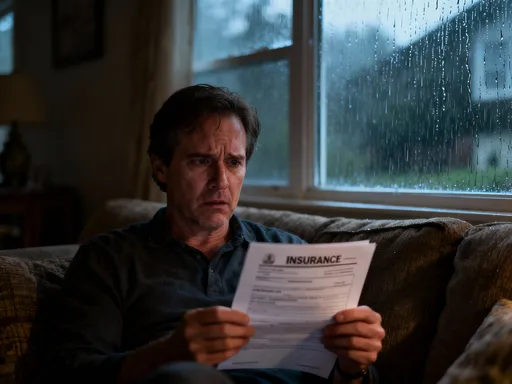
I had health insurance. I paid my premiums on time. I assumed I was protected. But when the bills started arriving, I realized how wrong I was. My policy covered hospitalization and surgery, but the out-of-pocket costs were staggering. Co-pays for specialist visits, deductibles that hadn’t reset, and non-covered treatments added up to thousands of dollars. Physical therapy, prescribed medications not on the formulary, and diagnostic tests deemed “elective” were all excluded. I learned the hard way that insurance isn’t a safety net—it’s a partial shield, and the gaps can be wide. The average American spends over $1,500 annually on out-of-pocket medical costs, but during a serious illness, that number can easily exceed $10,000. Without planning, those costs come straight out of savings or lead to debt.
The biggest surprise was how little my policy covered for long-term recovery. Home health aides, adaptive equipment, and even some prescription drugs required prior authorization or weren’t covered at all. I had to appeal several decisions, a process that took weeks and added stress during an already difficult time. This experience forced me to re-evaluate my insurance strategy. I started by reviewing my plan’s summary of benefits and coverage—a document I had never read before. I looked for patterns: which services had high co-pays? Which required pre-authorization? Were there limits on visits or treatments? I compared my plan to others in the marketplace, not just on premium cost but on actual coverage for common high-cost conditions. I discovered that a slightly higher premium could mean significantly lower out-of-pocket exposure in a crisis.
Based on this analysis, I made several changes. First, I switched to a plan with a lower deductible and better prescription coverage, accepting a modest increase in monthly cost. Second, I added a health savings account (HSA), which allows tax-free contributions and withdrawals for qualified medical expenses. This became a dedicated fund for out-of-pocket costs. Third, I explored supplemental insurance options, such as critical illness and hospital indemnity plans. These provide lump-sum payments upon diagnosis of certain conditions, which can be used for anything—bills, travel, or even replacing lost income. I chose a plan with a reasonable premium and broad coverage, ensuring it didn’t overlap with what I already had. The goal wasn’t to eliminate all risk—no policy can do that—but to reduce exposure to the most likely and costly gaps. Insurance isn’t just about having a plan; it’s about understanding it, testing it, and adjusting it before disaster strikes.
Income Protection: The Overlooked Shield During Medical Leave
When I stopped working, my biggest fear wasn’t the illness—it was the silence of my bank account. No more direct deposits. No more paychecks. The financial freefall was immediate. That’s when I realized how crucial income protection really is. Disability insurance, often overlooked or dismissed as unnecessary, became my lifeline. I had a basic short-term disability plan through my employer, which covered 60% of my income for 90 days. It wasn’t much, but it was enough to keep my mortgage paid and my utilities on. Without it, I would have had to liquidate investments or take on high-interest debt. This experience opened my eyes to the critical role of income replacement in financial resilience. Assets and savings are important, but if income stops, even a healthy balance sheet can erode quickly.
Short-term disability covers the first few months of absence, typically 90 to 180 days, and is often employer-provided. Long-term disability kicks in after that, sometimes lasting for years or until retirement age. The key difference is duration and eligibility. Short-term plans usually have a waiting period of 0 to 14 days, while long-term plans may require a 90-day wait. Benefit amounts vary, but most replace 50% to 70% of pre-disability income. The challenge is that many employers don’t offer long-term coverage, or the coverage is limited. Self-employed individuals and gig workers often have no access at all. Yet, the risk of a long-term absence is real: the Social Security Administration estimates that one in four 20-year-olds will experience a disability before retirement.
After my recovery, I evaluated my options for stronger income protection. I applied for a private long-term disability policy, which required a medical underwriting process. The premium was higher than I expected, but I viewed it as essential, not optional. I chose a plan with a two-year benefit period, a 90-day elimination period, and partial disability coverage, which pays benefits if I can work part-time. I also made sure the policy was non-cancelable and guaranteed renewable. For those who can’t afford private insurance, there are alternatives: some professional associations offer group plans, and certain credit unions provide affordable options. The bottom line is that income protection shouldn’t be an afterthought. It’s a core component of financial security, just like health insurance or life insurance. If your income is your greatest asset, protecting it should be your top priority.
Debt Management: Avoiding the Medical Bill Spiral
Medical debt is one of the leading causes of bankruptcy in the United States. It doesn’t usually come from a single massive bill—it builds gradually, through small charges, late fees, and collection actions. After my hospital stay, I received dozens of bills: from the hospital, surgeons, anesthesiologists, radiologists, labs, and follow-up clinics. Some were correct. Others contained errors—duplicate charges, incorrect codes, services I never received. I didn’t review them immediately, assuming insurance had handled everything. That was a mistake. By the time I looked, some accounts were already in collections. The stress of dealing with debt while recovering was overwhelming. But I quickly learned that proactive management can prevent the spiral.
The first step was organizing every bill and explanation of benefits (EOB) I received. I created a spreadsheet to track dates, providers, charges, insurance payments, and remaining balances. This gave me clarity and helped me spot discrepancies. I discovered over $1,200 in billing errors, which I disputed with the providers and insurers. Most were corrected after submitting documentation. Next, I contacted each provider to set up payment plans. Many hospitals and clinics offer interest-free arrangements if you ask. I prioritized high-balance accounts and those closest to collections. I also applied for financial hardship programs, which can reduce or eliminate bills based on income. These programs are often underutilized because people don’t know they exist or feel uncomfortable asking. But they are legitimate, widely available, and designed for situations like mine.
I avoided credit cards and personal loans, knowing that high interest would make the situation worse. Instead, I focused on communication. I called billing departments, explained my situation, and asked for options. Most were willing to work with me. Some offered discounts for prompt payment, others extended due dates. I also hired a medical billing advocate—a professional who reviews bills for errors and negotiates on your behalf. The fee was worth every dollar; they recovered over $2,000 in overcharges. The lesson is clear: don’t ignore medical bills, don’t assume they’re correct, and don’t wait until they go to collections. Address them early, negotiate aggressively, and use available resources. Debt doesn’t have to be inevitable—even in the face of high medical costs.
Smart Spending Shifts: Cutting Costs Without Sacrificing Care
During recovery, every dollar had to count. I couldn’t earn, so I had to spend smarter. This didn’t mean skipping necessary treatments or compromising care—it meant eliminating waste and redirecting funds to what truly mattered. I started by reviewing all my monthly subscriptions and recurring charges. Streaming services, gym memberships, magazine subscriptions—many were paused or canceled. I switched to generic medications whenever possible, saving hundreds on prescriptions. I used telehealth for routine follow-ups, reducing travel costs and time off for appointments. I bought approved medical supplies in bulk online, where prices were lower than at local pharmacies. These changes weren’t drastic, but together, they freed up nearly $400 per month—a significant amount when every dollar was needed.
I also tapped into community resources. Local nonprofits offered assistance with transportation, meals, and even utility bills. Support groups connected me with others who shared tips on affordable care options. I learned about patient assistance programs from drug manufacturers, which provided free or low-cost medications for qualifying individuals. I used public libraries for internet access and printing, avoiding data overages and printing costs. I cooked at home using simple, nutritious recipes, reducing food waste and dining out. These choices weren’t about deprivation—they were about reallocation. Money saved on non-essentials went toward co-pays, therapy, and home modifications that supported recovery.
The key was distinguishing between necessary care and optional expenses. I didn’t cut back on physical therapy or prescribed medications. I did delay home renovations and vacation plans. I prioritized health-related spending while pausing lifestyle upgrades. This required discipline and constant reassessment. I reviewed my budget weekly, adjusting as my needs changed. I set spending limits for discretionary categories and tracked every transaction. Over time, this awareness became a habit. Even after recovery, I’ve kept many of these practices. They’ve improved my financial health and reduced stress. Smart spending isn’t about living with less—it’s about living with purpose, aligning your money with your priorities, especially when resources are tight.
Building Resilience: My New Financial Safety Net (And Why It’s Different)
Recovery wasn’t just physical—it was financial and emotional. Once I was back on my feet, I didn’t return to my old habits. I rebuilt with stronger safeguards, knowing that another crisis could come at any time. My new financial safety net is built on four pillars: a larger emergency fund, better insurance coverage, income protection, and a dedicated health crisis fund. Each layer serves a specific purpose and reduces reliance on any single solution. I now have 12 months of income replacement in liquid and near-liquid assets. My health insurance includes an HSA, and I carry a critical illness rider. I have private long-term disability coverage. And I maintain a $7,500 health crisis fund, untouched except for medical emergencies.
What makes this system different is that it’s dynamic, not static. I review it every six months, adjusting for life changes—new dependents, income shifts, health updates. I also practice mental preparedness. I’ve created a financial crisis plan: a document that lists emergency contacts, account details, insurance policies, and step-by-step actions to take if I’m unable to manage my finances. I’ve shared it with a trusted family member. This isn’t about fear—it’s about control. Financial resilience isn’t about being rich. It’s about being ready. It’s the peace of mind that comes from knowing you have systems in place to handle the unexpected. A sudden illness revealed the fragility of my old approach. But it also gave me the motivation to build something stronger. Today, I’m not just surviving—I’m secure. And that’s a victory worth every lesson learned.