Buy Now, Pay Later? Here’s How to Stay Smart and in Control
More than ever, we’re swiping, clicking, and saying “yes” to installment payments without thinking twice. I did too—until I realized how quickly small payments can snowball into big stress. This isn’t just about convenience; it’s about financial awareness. The trend is clear: flexible payments are here to stay, but so are the risks. In this article, we’ll explore how to use installment plans wisely, protect your budget, and make smarter choices before that next “buy now” button tempts you.
The Rise of "Buy Now, Pay Later" – A Financial Game Changer
Over the past decade, a quiet shift has taken place in how people manage everyday spending. What once required saving up or using credit cards is now often broken into smaller, seemingly manageable installments. Buy Now, Pay Later (BNPL) services have emerged as a major force in personal finance, especially among online shoppers and families managing household budgets. These tools allow consumers to purchase items immediately and pay for them in fixed portions—often interest-free—over weeks or months. The appeal is clear: instant access without the immediate financial burden.
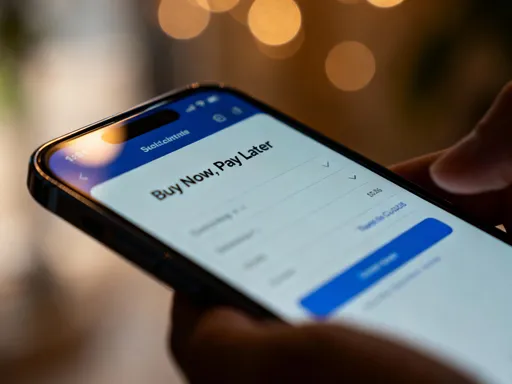
Unlike traditional credit cards, which require applications, credit checks, and carry long-term debt potential, BNPL options are integrated directly into checkout processes. With just a few clicks, a $300 kitchen appliance or a $150 pair of boots can be split into four equal payments. This seamless experience has made BNPL one of the fastest-growing segments in fintech. Major retailers, from fashion brands to electronics stores, now offer these plans at checkout, often partnering with providers like Afterpay, Klarna, or Affirm. The convenience is undeniable, particularly for mid-range purchases that aren’t quite impulse buys but still stretch the monthly budget.
What makes BNPL especially attractive is its psychological ease. Because there’s no need to enter full credit card details or think about interest (in many cases), the transaction feels lighter, almost consequence-free. For busy parents and homemakers managing multiple financial responsibilities, this can seem like a smart way to smooth out expenses. However, this ease comes with a hidden cost: reduced visibility into total spending. When payments are spread across platforms and dates, it becomes harder to track how much is actually committed each month. This lack of oversight can quietly erode financial stability, even when each individual purchase feels reasonable.
The global adoption of BNPL reflects broader changes in consumer behavior. Digital shopping is no longer just about convenience—it’s about speed and instant gratification. As e-commerce continues to grow, so does the demand for flexible payment solutions. Younger generations, in particular, have embraced BNPL as a normal part of online life. But older demographics, including many women managing household finances, are also adopting these tools. The key difference lies in awareness. While younger users may focus on immediacy, experienced budgeters often weigh long-term impact. Understanding this shift helps explain why BNPL isn’t just a trend—it’s a structural change in how people relate to money and consumption.
The Hidden Costs Behind the Convenience
On the surface, installment plans appear risk-free, especially when labeled “interest-free” or “no fees.” But beneath the simplicity lies a network of subtle financial pressures. One of the most significant dangers is the illusion of affordability. When a $400 television is broken into four $100 payments, it feels manageable. But when combined with other similar purchases—new shoes, school supplies, holiday gifts—the cumulative effect can strain cash flow. These small commitments, scattered across different retailers and due dates, create a web of obligations that’s easy to underestimate.
The real cost of BNPL isn’t always monetary—it’s cognitive. Every active installment plan requires mental energy to track. Without a centralized system, missed payments become more likely. And while some services offer grace periods, others charge late fees or report delinquencies to credit agencies. Even a single missed payment can trigger penalties, damage credit standing, and create a cycle of stress. For someone already juggling bills, childcare, and household management, this added layer of complexity can be overwhelming.
Another hidden cost is the erosion of spending discipline. Psychologically, paying later reduces the pain of payment. When money leaves the account immediately, the impact is felt right away, prompting caution. But when the payment is delayed, the emotional connection to the expense weakens. This disconnect makes it easier to justify purchases that might otherwise be reconsidered. Behavioral studies show that people tend to spend more when using delayed payment methods, often by 15% to 30% compared to cash or upfront card payments. Over time, this can lead to over-leveraging—a situation where total obligations exceed what the budget can realistically support.
Consider a real-life example: a mother of two uses BNPL to buy school clothes in August, a vacuum cleaner in October, holiday decorations in December, and a tablet for her child’s online learning in January. Each decision feels justified in the moment. But by spring, she has five active installment plans with overlapping due dates. Her checking account is frequently low, and she starts relying on credit cards to cover groceries. What began as smart budgeting has turned into financial strain. This scenario isn’t rare. It illustrates how fragmented spending, even with good intentions, can lead to long-term imbalance. The convenience of BNPL becomes a trap when used without a clear overview of total commitments.
Risk Control: Building a Personal Spending Firewall
To stay in control, it’s essential to treat installment plans not as free passes, but as financial tools that require boundaries. A personal spending firewall acts like a filter for every purchase decision, ensuring that convenience doesn’t override responsibility. This firewall consists of clear rules, self-imposed checks, and a commitment to long-term financial health. The goal isn’t to eliminate BNPL use, but to make it intentional and sustainable.
One effective strategy is the pre-approval checklist. Before agreeing to any installment plan, pause and ask three questions: Is this purchase necessary? Can I afford the total cost right now? Does this align with my current budget goals? If the answer to any of these is “no,” it’s a signal to reconsider. This simple pause creates space for reflection and reduces impulsive decisions. It’s especially useful for online shopping, where marketing tactics and limited-time offers can pressure quick choices.
Another key rule is setting a spending cap on installment use. For example, limit BNPL purchases to no more than 15% of monthly take-home income at any given time. This ensures that recurring obligations don’t overwhelm cash flow. Additionally, impose a cooling-off period—24 to 48 hours—before finalizing any installment purchase. This delay allows emotions to settle and priorities to clarify. During this time, review the household budget, check upcoming bills, and assess whether the item truly fits into the financial plan.
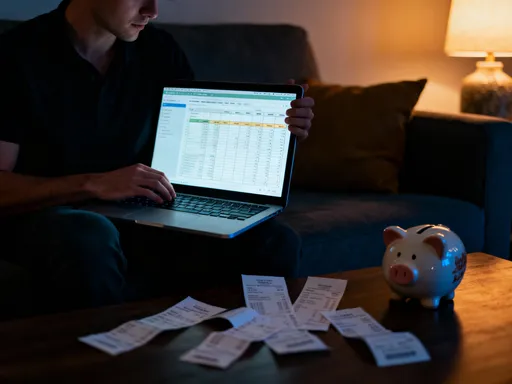
Discipline is reinforced by self-awareness. Track every installment commitment in a single place—whether a notebook, spreadsheet, or budgeting app. Seeing all obligations in one view increases accountability and reduces the risk of surprises. Also, consider treating installment payments as immediate expenses. Instead of waiting for the due date, transfer the full amount to a separate savings account when the purchase is made. This “pay yourself first” approach ensures the money is already set aside, reducing the chance of a shortfall later. By building these habits, users transform BNPL from a potential risk into a controlled, strategic tool.
When Installments Work: Strategic Use for Value and Timing
Not all use of installment plans is risky. When applied with intention, they can serve as valuable tools for financial management. The key difference lies in timing and purpose. Strategic installment use focuses on maximizing value, smoothing cash flow, and avoiding higher-cost debt. In these cases, spreading payments isn’t about stretching affordability—it’s about optimizing financial resources.
One powerful example is locking in prices during seasonal sales. Many families face predictable annual expenses—back-to-school supplies, winter coats, or holiday gifts. Retailers often offer significant discounts months in advance, but paying upfront can be difficult. BNPL allows shoppers to buy early at a lower price and pay over time, effectively saving money while managing cash flow. For instance, purchasing a $200 winter coat in July at 30% off and paying in installments through September, October, and November means paying less overall than buying at full price in December.
Another strategic use is bridging temporary income gaps. Life events such as medical leave, job transitions, or seasonal work fluctuations can create short-term cash shortages. In these moments, using an installment plan for a necessary appliance—like a refrigerator or washing machine—can prevent the need for high-interest credit cards or payday loans. As long as the payment schedule aligns with the return of regular income, this approach is both practical and responsible.
Installments also make sense for planned upgrades or coordinated household purchases. Imagine a family deciding to replace outdated electronics every three years. By using a no-interest installment plan, they can spread the cost over 12 months, making the expense predictable and manageable. The same logic applies to home improvements, educational materials, or family travel. When purchases are anticipated, budgeted for, and tied to long-term goals, installment plans become a tool for financial planning rather than impulse spending. The distinction is clear: impulsive use reacts to desire; strategic use responds to planning.
Credit Health and the Long-Term Impact
One of the most misunderstood aspects of BNPL is its effect on credit health. Unlike credit cards, many installment services do not report on-time payments to credit bureaus, meaning responsible use doesn’t always build credit history. However, the reverse is not true—missed or late payments often are reported, and they can damage credit scores. This one-way reporting creates an imbalance: good behavior goes unrewarded, while mistakes carry consequences.
For consumers aiming to maintain or improve their credit standing, this is a critical consideration. A single missed payment can lower a credit score by 50 points or more, depending on the individual’s history. This decline can affect future borrowing power, increase interest rates on loans, and even impact insurance premiums or rental applications. Therefore, even if a BNPL service seems informal, it should be treated with the same seriousness as any other financial obligation.
Another factor is the indirect impact on debt-to-income ratios. While BNPL balances may not appear on credit reports, lenders often review bank statements and spending patterns during loan applications. Multiple active installment plans can signal overextension, even if payments are current. This perception can reduce approval chances or lead to less favorable terms. Being mindful of how installment use reflects financial behavior is essential for long-term stability.
To protect credit health, users should monitor their overall financial footprint. Regularly check credit reports from major bureaus to ensure accuracy and detect any unexpected entries. Set up alerts for due dates and link payments to reliable accounts with sufficient funds. Some financial advisors recommend using BNPL only when the full repayment schedule fits comfortably within the monthly budget, leaving room for emergencies. By treating these plans as part of a broader credit strategy, users can avoid unintended setbacks and maintain strong financial standing.
Practical Tools and Habits for Safer Spending
Staying in control of installment plans requires more than willpower—it demands structure. Practical tools and consistent habits form the foundation of responsible use. The first step is creating a centralized tracking system. Whether using a simple calendar, a spreadsheet, or a dedicated budgeting app, having one place to record all installment commitments ensures nothing slips through the cracks. List each purchase, the total amount, the number of payments, and the due dates. Review this list weekly to stay aware of upcoming obligations.
Calendar alerts are a simple but powerful tool. Most smartphones and email platforms allow recurring reminders to be set days in advance of a payment. This reduces the chance of missed deadlines and associated fees. For added security, consider enabling automatic payments from a designated account. However, ensure that the account always maintains sufficient funds to avoid overdraft charges. Automation works best when paired with proactive budgeting, not as a substitute for awareness.
Behavioral techniques also play a crucial role. One effective method is the sinking fund approach—setting aside small amounts each month for anticipated large purchases. For example, if a family knows they’ll need new tires in six months, they can save $50 per month in a separate account. When the time comes, the full amount is available, eliminating the need for financing. This habit shifts the mindset from reactive spending to proactive preparation.
Another helpful practice is to treat every installment as an immediate expense. When making a purchase, transfer the total cost to a “future payments” savings account right away. This creates a psychological and financial buffer, ensuring the money is already allocated. It also makes it easier to see how much is truly committed at any given time. Over time, these habits replace impulsive decisions with structured, informed choices. The goal is not perfection, but progress—building a system that supports long-term financial well-being.
The Future of Flexible Payments – Trends to Watch
As technology evolves, so do the tools we use to manage money. The future of installment payments is being shaped by fintech innovation, regulatory changes, and shifting consumer expectations. One emerging trend is embedded finance—where payment options are seamlessly integrated into non-financial platforms, such as retail apps, subscription services, or even utility providers. This integration makes flexible payments more accessible, but also increases the need for financial literacy.
Artificial intelligence is also playing a growing role. Some platforms now use AI to assess a user’s spending patterns and income flow before approving installment plans. These affordability checks aim to prevent over-leveraging by suggesting realistic payment amounts and timelines. While not foolproof, they represent a move toward more responsible lending practices. In the coming years, consumers may see more personalized financial guidance built directly into payment tools.
Regulatory oversight is another key development. Governments and financial authorities in several countries are introducing rules to standardize BNPL services, require clearer disclosures, and protect consumers from unfair practices. These changes could lead to better transparency, improved credit reporting, and stronger consumer rights. For users, this means greater accountability from providers and more control over their financial data.
As these trends unfold, the core principle remains unchanged: awareness is power. The availability of flexible payment options will continue to grow, but so must the ability to use them wisely. Staying informed, asking questions, and maintaining personal financial boundaries will be more important than ever. The goal isn’t to avoid modern tools, but to master them. By combining smart habits with emerging safeguards, consumers can enjoy the benefits of financial flexibility without sacrificing stability. In a world where buying is easier than ever, the real skill lies in knowing when—and how—to say yes.