How I Mastered the Rhythm of Smart Entertainment Spending
What if your weekend movie habit or concert tickets could actually help build wealth instead of draining your account? I used to see entertainment as pure expense—until I realized the hidden investment rhythm in how, when, and where I spend. This shift didn’t just save me money; it reshaped my entire approach to consumption. Let me walk you through how upgrading the way you engage with entertainment can become a strategic move, not just a splurge. By aligning fun with financial clarity, you’re not cutting back—you’re upgrading. And the most powerful part? You don’t have to choose between joy and security. You can have both, when spending is done with rhythm, purpose, and awareness.
The Hidden Cost of Mindless Fun
Entertainment spending often flies under the radar because it feels justified, even necessary. A cup of coffee before a matinee, a subscription to a streaming service, tickets to a local festival—each choice seems small, harmless, and well within reason. Yet when these moments accumulate across weeks and months, they form a silent drain on household budgets. Consider the average family that spends $150 monthly on dining out, $30 on streaming platforms, $75 on concerts or events, and another $100 on travel-related leisure. That totals over $4,200 a year—enough to cover a significant portion of a child’s college fund, a major home repair, or a fully funded emergency account.
The danger lies not in any single purchase but in the pattern of unconscious repetition. Behavioral economists refer to this as "mental accounting"—the tendency to treat certain types of spending as "not real" because they’re labeled for enjoyment. This cognitive bias allows small expenses to escape scrutiny, even as they grow into substantial outflows. For many, especially women managing household finances, the emotional payoff of a relaxing evening or a family outing can feel like a necessary reprieve from daily responsibilities. That relief is real, but so is the long-term cost when those moments are not intentionally chosen.
Another factor at play is lifestyle inflation. As income rises, so does the perceived need for upgraded experiences—dining at pricier restaurants, attending VIP events, or booking luxury weekend getaways. These shifts often go unnoticed, masked as personal rewards or family investments. But without tracking, it’s easy to confuse progress with excess. The result? A gradual erosion of financial flexibility, where discretionary spending begins to dictate cash flow rather than respond to it. The first step toward change is awareness: mapping every entertainment-related expense, no matter how minor it seems. Only then can you see the full picture and begin to separate impulse from intention.
From Expense to Opportunity: Reframing Entertainment
The breakthrough in my financial journey came when I stopped seeing entertainment as purely consumptive and began viewing it as a potential vehicle for value creation. This shift—from expense to opportunity—relies on the concept of strategic consumption. It means making choices that deliver immediate enjoyment while also contributing to long-term personal or financial growth. The key is intentionality. Instead of asking "Do I want this?" the better question becomes "What will this experience give me beyond the moment?"
Consider attending a professional development workshop that includes a networking dinner. The cost might be similar to a night out at a fine restaurant, but the return extends far beyond the meal. You gain new skills, make connections, and potentially open doors to career advancement. Similarly, enrolling in a cooking class with your children isn’t just a fun weekend activity—it’s an investment in healthier eating habits and reduced reliance on takeout, which can save hundreds annually. Even a visit to a museum or cultural festival can double as an educational experience, enriching family conversations and broadening perspectives.
Another example is travel. A weekend getaway can be pure leisure, or it can be designed to include volunteer opportunities, local history tours, or wellness activities like hiking and yoga. When entertainment serves multiple purposes, its value multiplies. This doesn’t mean every outing must be productive, but rather that a portion of your entertainment budget can be allocated to experiences with layered benefits. Over time, these choices compound—not in monetary returns like stocks, but in improved well-being, stronger relationships, and greater self-efficacy. That, too, is a form of wealth.
Reframing entertainment also helps counteract guilt. Many women report feeling conflicted about spending on themselves, especially when balancing family needs. But when an activity contributes to personal growth or family enrichment, it becomes easier to justify. It’s no longer "just fun"—it’s an investment in quality of life. This mindset shift reduces emotional spending and increases satisfaction, because the joy lasts longer than the event itself.
The Investment Rhythm: Timing and Flow of Spending
Just as music depends on rhythm to create harmony, financial health relies on the timing and pacing of spending. The concept of investment rhythm in entertainment means aligning your discretionary purchases with your income cycles, energy levels, and life priorities. It’s not about spending less, but about spending with better timing and intention. When you sync your leisure spending with your cash flow, you avoid the stress of overspending during lean months and create a sustainable pattern that supports both enjoyment and savings.
Imagine receiving your paycheck at the beginning of the month. Without a plan, it’s easy to spend freely in the first week—dining out, booking tickets, making online purchases—only to feel constrained in the final weeks. This feast-or-famine cycle leads to frustration and often results in credit card use. But by introducing rhythm, you can designate specific times for entertainment spending. For example, reserve the second week of each month for planned outings, after essential bills are paid. This creates a predictable pattern, reducing decision fatigue and impulse buys.
Rhythm also involves spacing out experiences. Consuming too many events in a short period diminishes their impact and strains your budget. Psychologists call this "hedonic adaptation"—the tendency to quickly return to a baseline level of happiness after a pleasurable event. By allowing time between outings, you increase appreciation and reduce the need for constant stimulation. A concert every three months may bring more joy than one every weekend, simply because it feels special rather than routine.
Additionally, aligning spending with seasonal opportunities can enhance value. Many cities offer free outdoor concerts, museum days, or community festivals during summer and early fall. By planning your entertainment calendar around these events, you enjoy rich experiences at lower cost. Similarly, using gift cards or rewards points for winter activities—when discretionary spending often dips—keeps the rhythm balanced year-round. The goal is consistency, not excess. Like a well-timed investment, smart entertainment spending grows in value when it’s paced, purposeful, and aligned with your broader financial flow.
Building Value Through Experience Layering
One of the most powerful tools in smart entertainment spending is experience layering—the practice of combining a single outing with multiple benefits. This approach transforms passive consumption into active value creation, ensuring that each dollar spent delivers more than momentary pleasure. The idea is simple: instead of using entertainment for just one purpose, design it to serve two or more goals simultaneously. The cost remains the same, but the return increases significantly.
For instance, attending a live music performance can also be a fitness activity if you walk or bike to the venue. It becomes a social event by inviting friends or extended family, strengthening relationships. If the band is from another culture, it doubles as a cultural education moment, especially when shared with children. Even the planning process—researching the artist, learning the history of the genre—can be a learning experience. In this way, a $50 ticket generates physical, emotional, social, and intellectual returns.
Another example is using streaming services more intentionally. Rather than passively watching shows, treat them as tools for growth. A foreign-language series can support language learning when viewed with subtitles and repeated phrases. A documentary about nature or history can spark family discussions and inspire further reading or travel plans. Even a comedy special can be a mindfulness exercise—laughing together reduces stress and improves emotional health. The platform remains the same, but the usage shifts from passive to purposeful.
Dining out can also be layered. Choose restaurants that source locally, turning a meal into support for small businesses and sustainable practices. Visit places with unique architecture or art, making dinner an informal gallery visit. Or combine a lunch date with a business conversation, blending relationship-building with professional development. The key is to enter each experience with a mindset of expansion: asking not just "Will I enjoy this?" but "What else can this give me?" Over time, this habit changes your relationship with spending, making you more selective and more satisfied.
Risk Control in Lifestyle Upgrades
Even the most thoughtful spending strategies carry risks, especially when emotions, social pressures, or convenience influence decisions. The goal of smart entertainment spending is not to eliminate indulgence, but to manage risk so that enjoyment doesn’t come at the cost of financial stability. The most common pitfalls include lifestyle creep, subscription overload, and social obligation spending—all of which can quietly erode budgets and undermine long-term goals.
Lifestyle creep occurs when small upgrades become expectations. A one-time splurge on a premium concert seat can lead to a habit of always seeking the best view, even when it’s unaffordable. Similarly, trying a luxury resort once may reset your benchmark for vacation quality, making simpler trips feel inadequate. This gradual escalation is dangerous because it happens slowly, often without conscious choice. The solution is to set clear boundaries: define what constitutes a "special occasion" and limit high-cost experiences to those times. For everything else, embrace "good enough" options that still deliver joy without the premium price.
Subscription fatigue is another major risk. It’s easy to sign up for a new app, channel, or membership when it offers a free trial or seems useful. But over time, these recurring charges accumulate—sometimes totaling hundreds per year for services rarely used. The fix is simple: conduct a quarterly audit of all subscriptions. Ask, "Did I use this in the past three months? Did it add value?" Cancel anything that doesn’t meet both criteria. Better yet, adopt a "one in, one out" rule: for every new subscription added, cancel an old one.
Social pressure also plays a role. Invitations to events, group dinners, or weekend trips can create a sense of obligation, even when they don’t fit your budget. Saying no is difficult, especially for women who often prioritize harmony and family cohesion. But financial health requires boundaries. A kind but firm response—"That sounds wonderful, but we’re sticking to our monthly budget this week"—is both honest and empowering. Over time, friends and family come to respect your rhythm, and you set a positive example of mindful living.
Tools and Habits of Financially Fit Consumers
Knowledge alone isn’t enough—execution is what transforms intention into results. The most successful practitioners of smart entertainment spending rely on simple, consistent tools and habits that keep them on track without requiring constant willpower. These systems work because they’re designed for real life, not perfection. They accommodate occasional splurges while ensuring the overall pattern remains healthy and sustainable.
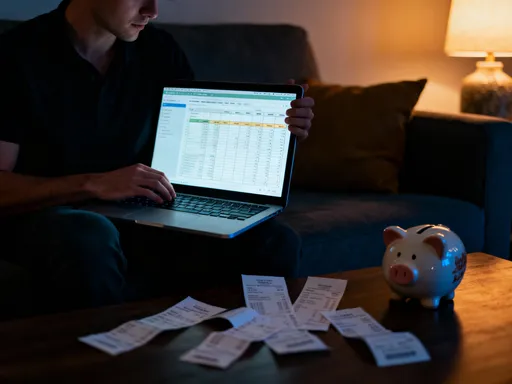
One of the most effective tools is a spending tracker, either digital or paper-based. Recording every entertainment expense creates visibility and accountability. Over time, patterns emerge: you might notice that spontaneous weekend outings cost more than planned ones, or that events during holidays strain your budget. With this data, you can adjust proactively. Many find it helpful to categorize spending into "pure fun," "learning," "social," and "health" to assess balance and value.
Calendar-based budgeting is another powerful method. Instead of allocating a monthly lump sum, schedule entertainment spending like appointments. Block out dates for planned events, assign dollar amounts, and treat them as commitments. This prevents last-minute, emotionally driven purchases and ensures that fun is integrated into your financial plan rather than disrupting it. Some families even use color-coded calendars—green for paid, red for pending—to visualize their rhythm at a glance.
A value journal adds a reflective layer. After each experience, jot down what you enjoyed, what you learned, and whether it was worth the cost. This practice strengthens decision-making over time, helping you distinguish between fleeting pleasure and lasting satisfaction. It also builds gratitude, which reduces the urge to seek more through spending.
Finally, adopt habits that reinforce balance. One popular rule is the "one plus two" approach: for every premium experience you enjoy, eliminate two smaller, less meaningful ones. This keeps the budget steady while allowing for occasional indulgence. Another is the 48-hour rule for unplanned purchases: wait two days before buying tickets or making reservations. This pause often reveals whether the desire is genuine or impulsive. Together, these tools create a supportive structure that makes smart spending automatic, not exhausting.
The Bigger Picture: Wealth That Feels Good
At its core, financial well-being isn’t about deprivation—it’s about alignment. True wealth isn’t measured solely by account balances, but by the quality of life those numbers support. When you master the rhythm of smart entertainment spending, you stop seeing money as a constraint and start viewing it as a tool for creating a meaningful, joyful life. The goal isn’t to eliminate fun, but to ensure that every dollar spent—whether on a movie, a meal, or a trip—moves you closer to the life you want.
This approach fosters confidence. You no longer dread opening your bank statement, because you know your spending reflects your values. You feel in control, not because you’ve cut out enjoyment, but because you’ve chosen it with purpose. That clarity reduces stress, improves relationships, and creates space for deeper fulfillment. Over time, the habit of intentional spending spills over into other areas—groceries, clothing, home improvements—creating a ripple effect of financial health.
Moreover, modeling this behavior has a profound impact on families. Children learn that money isn’t just for buying things, but for creating experiences, building skills, and strengthening connections. They grow up understanding that joy and responsibility aren’t opposites—they’re partners. For women managing household finances, this shift brings a sense of agency and pride. You’re not just balancing the books; you’re shaping a legacy of wisdom, balance, and thoughtful living.
In the end, wealth that feels good is wealth that’s lived. It’s found in the concert you attended with your sister, the class you took that sparked a new hobby, the picnic in the park that cost nothing but meant everything. By mastering the rhythm of how you spend, you transform entertainment from a financial leak into a source of lasting value. And that is the most powerful investment of all.