How I Navigate Fund Investing with a Calm Mind and Clear Strategy
Investing in funds can feel like riding a rollercoaster—thrilling at times, but often exhausting. I used to chase returns, panic during dips, and jump between strategies. Then I shifted my focus from short-term wins to long-term stability. This article shares my evolution toward a smarter investment philosophy, blending discipline, risk control, and realistic expectations. It’s not about getting rich quick—it’s about building lasting financial resilience. The journey wasn’t easy, but it was necessary. Over years of missteps and modest gains, I learned that true financial progress comes not from reacting to every market shift, but from creating a framework that endures volatility, minimizes costly errors, and aligns with personal goals. This is the mindset that transformed my approach to fund investing.
The Noise That Almost Broke My Portfolio
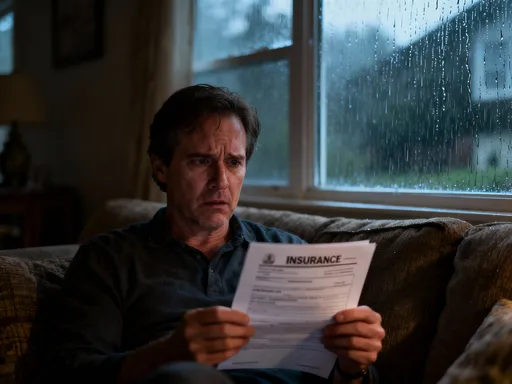
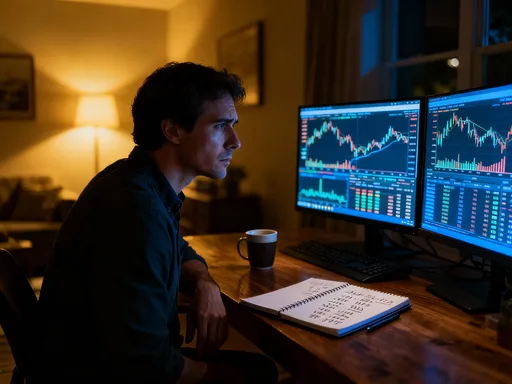
At the beginning of my investment journey, I believed that staying informed meant reacting quickly. I read financial headlines daily, listened to market pundits on podcasts, and scanned social media for the latest fund recommendations. When a technology fund surged 20% in a quarter, I felt the pressure to buy. When interest rates rose and bond funds dipped, I feared missing the exit. Each decision was driven not by strategy, but by emotion—fear, greed, and the overwhelming sense of urgency. I would switch funds frequently, chasing performance like a sprinter chasing a finish line that kept moving. Looking back, I realize that these impulsive moves didn’t improve my returns—they eroded them.
The cost of emotional investing isn’t always visible on a statement, but it’s real. Studies show that the average investor underperforms the market by several percentage points annually, not because they pick bad funds, but because they buy high and sell low. I was a textbook example. I bought into emerging market funds after they had already doubled, only to sell when they corrected by 15%. I exited a solid dividend fund during a short-term downturn, missing its recovery over the next 18 months. Each time, I told myself I was being cautious or strategic, but in truth, I was reacting to noise—short-term fluctuations mistaken for long-term trends.
One of the most insidious psychological traps I fell into was herd behavior. When everyone around me was talking about a "hot" sector fund, I felt left out. The fear of missing out, commonly known as FOMO, pushed me to act even when I didn’t fully understand the fund’s strategy or risks. Overconfidence also played a role. After a few lucky trades, I began to believe I had a knack for timing the market. But markets are unpredictable, and no one consistently predicts turns correctly. What I mistook for skill was often just luck. Recognizing these patterns—emotional reactions, herd mentality, overconfidence—was the first step in reclaiming control over my portfolio. I began to question every impulse: Is this move based on data or emotion? Does it align with my long-term goals, or am I chasing a headline?
Gradually, I learned to filter the noise. I stopped checking my portfolio daily and limited my exposure to financial news. Instead, I focused on understanding the fundamentals of the funds I owned: their objectives, strategies, and historical behavior during market cycles. I started to see market volatility not as a threat, but as a normal part of long-term investing. This shift in perspective didn’t eliminate anxiety, but it gave me a framework to manage it. By distinguishing between meaningful signals and emotional noise, I stopped making reactive decisions that hurt my returns. The portfolio didn’t become more exciting—it became more stable, and that stability became the foundation for real growth.
Why Fund Investing Is More Than Picking Winners
Early on, I treated fund investing like a game of selection—my goal was to find the best-performing fund each year and ride it to success. I scoured performance tables, ranking funds by one-year returns, and moved my money accordingly. But I soon realized that past performance is a poor predictor of future results. A fund that led the pack one year often lagged the next. The truth is, fund investing isn’t about picking winners—it’s about building a portfolio that aligns with your financial goals, risk tolerance, and time horizon. This realization changed everything.
I began to evaluate funds not by their recent returns, but by their consistency, management quality, and underlying strategy. I asked questions: Has the fund maintained steady performance across different market conditions? How long has the portfolio manager been in charge? What is the fund’s investment philosophy—does it make sense to me? I discovered that funds with stable management teams and clear, disciplined strategies tended to deliver more reliable results over time, even if they weren’t the flashiest in any given year. A fund doesn’t need to be the top performer to be a valuable part of a portfolio—it just needs to serve a purpose.
One of the most important lessons I learned was the significance of understanding a fund’s asset allocation and sector exposure. For example, a fund labeled as "balanced" might still have 70% in equities, making it riskier than I realized. Another fund might claim diversification but have heavy concentration in a single industry, like technology or healthcare. I started reviewing fund fact sheets and holdings reports to see exactly where my money was going. I also paid close attention to the expense ratio—the annual fee charged by the fund. A seemingly small difference, like 0.25% versus 1.00%, can have a massive impact over decades due to compounding.
This shift—from speculative picking to intentional investing—allowed me to assign a clear role to each fund in my portfolio. Some funds were for long-term growth, others for income, and some for stability during downturns. I stopped chasing the "next big thing" and focused instead on creating balance. I learned that a well-constructed portfolio isn’t made of star performers, but of complementary pieces that work together. This approach didn’t promise overnight riches, but it provided something more valuable: confidence. I knew why I owned each fund, what it contributed, and how it fit into my larger financial picture. That clarity became a powerful antidote to doubt and fear.
Building a Foundation: Risk Control Before Returns
For years, I focused almost entirely on returns—how much I could earn, how fast I could grow my portfolio. But I overlooked the most important aspect of investing: protecting what I already had. I didn’t fully appreciate this until a market correction erased 20% of my portfolio’s value in a few months. I wasn’t ruined, but I was shaken. That experience taught me a crucial lesson: preserving capital is the first step to growing it. Without risk control, even high returns mean little if they’re wiped out by a single downturn.
I began to prioritize risk management as the core of my investment philosophy. The most effective tool I adopted was diversification—spreading investments across different asset classes, geographic regions, and fund types. Instead of putting all my money in U.S. stock funds, I added international equity funds, bond funds, and real estate investment trusts (REITs). This didn’t eliminate risk, but it reduced the impact of any single market’s decline. When U.S. stocks fell, my international holdings or bonds often held steady or even gained, cushioning the blow. Diversification doesn’t guarantee profits or prevent losses, but it makes the journey less volatile and more sustainable.
Another key practice I implemented was regular rebalancing. Over time, some funds grow faster than others, causing the portfolio to drift from its original allocation. For example, if stock funds outperform bonds, the portfolio might become 80% equities instead of the intended 60%. Rebalancing means selling some of the outperforming assets and buying more of the underperforming ones to restore balance. This forces you to "sell high and buy low," which is the opposite of emotional investing. I set a schedule—once a year or when allocations shift by more than 5%—to review and rebalance without overreacting to short-term swings.
I also established simple rules to maintain discipline. For instance, I set guidelines for how much I would allow any single fund or asset class to grow before taking action. I didn’t use stop-loss orders as trading tools, but as reminders to reassess my strategy if a fund dropped significantly. These rules weren’t about predicting the market—they were about enforcing consistency. Risk control isn’t exciting, but it’s essential. It’s like wearing a seatbelt: you don’t do it because you expect a crash, but because you value safety. By making risk management the foundation of my approach, I created a portfolio that could withstand uncertainty and continue growing over time.
The Real Power of Compounding—And How Impatience Kills It
One of the most powerful forces in investing is also the most misunderstood: compounding. At its core, compounding means earning returns not just on your initial investment, but on the returns themselves. Over time, this creates exponential growth. But compounding only works if you stay invested. I used to underestimate this principle, believing that frequent adjustments and active trading would lead to better results. In reality, my impatience disrupted the very process that could have built my wealth.
Consider two investors: one who invests $10,000 and stays invested for 30 years with an average annual return of 7%, and another who does the same but exits the market during downturns and misses the best 10 days of returns over that period. The first investor ends up with about $76,000. The second? Only around $39,000—a difference of nearly 50%. The most damaging moves weren’t bad fund choices; they were emotional exits at the worst possible times. I had been that second investor, pulling out during market stress and missing the recovery. Each time, I thought I was being cautious, but I was actually sabotaging my long-term growth.
What I didn’t appreciate was that the biggest gains often come in short, unpredictable bursts—right after the worst losses. If you’re not invested during those rebounds, you lose the most valuable part of the cycle. Compounding rewards patience, not timing. I began to see that staying the course—even during flat or declining markets—wasn’t passive; it was strategic. The silent, steady growth of reinvested dividends, the gradual appreciation of quality funds, the power of time—these forces work quietly but powerfully when left undisturbed.
I started measuring success not by quarterly returns, but by consistency. I set a minimum holding period for each fund—usually five years—to discourage short-term thinking. I reminded myself that volatility is normal and that market dips are not emergencies, but opportunities to buy at lower prices if I had cash available. I also automated contributions to my fund accounts, ensuring that I kept investing regularly regardless of market conditions. This dollar-cost averaging approach helped me buy more shares when prices were low and fewer when they were high, improving my average cost over time. The lesson was clear: patience isn’t the absence of action—it’s the discipline to stay committed to a long-term plan.
Costs That Eat Your Gains (And How to Spot Them)
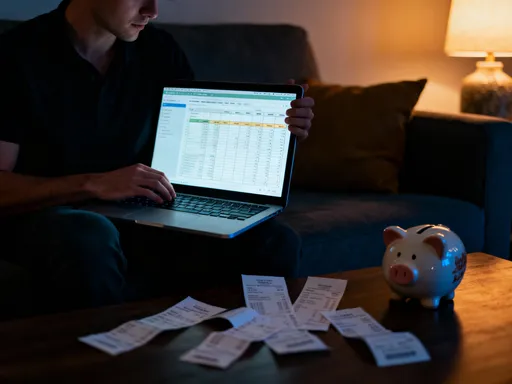
One of the most frustrating truths about investing is that you can pick great funds and still underperform—simply because of fees. I used to ignore costs, focusing only on returns. Why worry about a 1% fee if the fund was up 15%? But over time, I realized that fees are a guaranteed drag on performance, while returns are uncertain. Small differences in costs compound into massive differences in net returns over decades. A fund with a 1.25% expense ratio can cost you tens of thousands more than a similar fund with a 0.20% ratio over a 30-year period.
I began to scrutinize all the costs associated with fund investing. The most obvious is the expense ratio, which covers management fees, administrative costs, and other operational expenses. I discovered that many actively managed funds charge high fees in exchange for the promise of outperformance—but most fail to deliver. Studies show that the majority of active funds underperform their benchmarks after fees. I started shifting toward low-cost index funds and exchange-traded funds (ETFs), which offer broad market exposure at a fraction of the cost. This didn’t mean abandoning active management entirely, but it meant being selective and demanding clear value for higher fees.
Beyond expense ratios, I uncovered other hidden costs. Some funds charge sales loads—fees paid when you buy (front-end) or sell (back-end) shares. These can be as high as 5%, instantly reducing your investment. I also learned about transaction fees, especially when buying funds through certain brokers or platforms. Tax inefficiencies were another concern: funds that trade frequently generate capital gains distributions, which can trigger tax liabilities even if you don’t sell your shares. I began to favor tax-efficient funds, such as index funds or those with low turnover, especially in taxable accounts.
Reducing costs didn’t require drastic changes. I didn’t abandon all active funds, but I became more intentional. I asked: Is this fund’s strategy unique enough to justify its higher fee? Has it consistently outperformed after costs? Is the manager adding real value? In many cases, the answer was no. By switching to lower-cost alternatives without sacrificing diversification or quality, I improved my net returns significantly. I realized that minimizing fees is one of the few things investors can control. Unlike market returns, which are unpredictable, costs are transparent and manageable. By paying attention to them, I turned a silent drain into a source of long-term advantage.
My Framework: A Practical Approach to Fund Selection
After years of trial and error, I developed a repeatable framework for choosing and monitoring funds. It’s not perfect, but it’s structured, disciplined, and aligned with my goals. The process begins with clarity: defining my investment objectives, risk tolerance, and time horizon. Am I saving for retirement in 20 years? Do I need income now, or can I reinvest dividends? Answering these questions helps determine the right mix of funds. From there, I apply a set of criteria to evaluate each potential addition.
First, I look at long-term performance consistency, not just one-year returns. A fund that delivers steady, above-average results over 10 or 15 years is more reliable than one with explosive but erratic performance. I also examine the fund manager’s tenure—longevity suggests stability and alignment with the fund’s strategy. I review the portfolio holdings to ensure transparency and alignment with my views on the economy and markets. For example, if I believe in sustainable energy trends, I might consider a fund with exposure to clean technology, but only if its strategy is clear and well-executed.
I also assess fees, diversification, and tax efficiency, as discussed earlier. But beyond metrics, I consider how the fund fits into my overall portfolio. I use a core-satellite approach: the core consists of low-cost, broad-market index funds that provide stable, long-term growth. These make up the majority of my holdings. The satellites are more targeted—actively managed funds, sector-specific funds, or international funds—that offer potential for higher returns in specific areas. This structure balances reliability with opportunity, minimizing risk while allowing for strategic exposure.
Finally, I establish a regular review process—once a year or after major life changes—to assess performance, fees, and alignment with goals. I don’t react to short-term underperformance, but I do investigate persistent issues, such as a change in management or strategy drift. This framework doesn’t promise to beat the market every year, but it provides consistency, control, and peace of mind. It turns fund investing from a guessing game into a thoughtful, repeatable process.
Staying the Course: Discipline in the Face of Uncertainty
Markets will always be unpredictable. There will be recessions, geopolitical tensions, inflation spikes, and unexpected crises. No strategy can eliminate uncertainty, but a clear investment philosophy can help you navigate it without losing your way. The final piece of my journey was learning to stay disciplined when emotions run high. This doesn’t happen by chance—it requires preparation, structure, and self-awareness.
I started by setting rules in advance. For example, I decided that I would not sell any fund based on a single news event or short-term drop. I established rebalancing thresholds and stuck to my review schedule. I also began keeping a decision journal, where I recorded every major investment choice, the reasoning behind it, and how I felt at the time. This practice helped me recognize emotional patterns and avoid repeating mistakes. When I felt the urge to act during a market dip, I would read past entries and remind myself of previous recoveries.
I also limited how often I checked my portfolio. Daily monitoring only amplified anxiety and temptation to react. Instead, I reviewed performance quarterly and made changes annually, unless a fundamental issue arose. I surrounded myself with reliable sources of information, avoiding sensationalist media and unverified tips. I reminded myself that my goal wasn’t to outperform every year, but to reach my financial objectives with minimal stress and maximum confidence.
Staying the course isn’t about ignoring problems—it’s about responding thoughtfully, not impulsively. It’s about trusting a well-constructed plan more than a fleeting emotion. Over time, this discipline became a source of strength. I no longer feared market downturns; I expected them and planned for them. I stopped chasing returns and started protecting progress. The market will always test your resolve, but with a clear philosophy, you don’t have to guess what to do. You already know.
Fund investing isn’t about finding the next big thing. It’s about building a resilient, thoughtful strategy that works over time. My journey taught me that success comes not from brilliance, but from consistency, awareness, and patience. By focusing on risk control, minimizing costs, and sticking to a clear philosophy, anyone can navigate the complexity of funds with confidence. The market will always be unpredictable—but your approach doesn’t have to be.